
Fujifilm GFX 50S II | Aperture f/8.9 | Shutter 1/160s | ISO 400 | Focal Length 120mm
Lens: GF120mmF4R LM OIS WR Macro
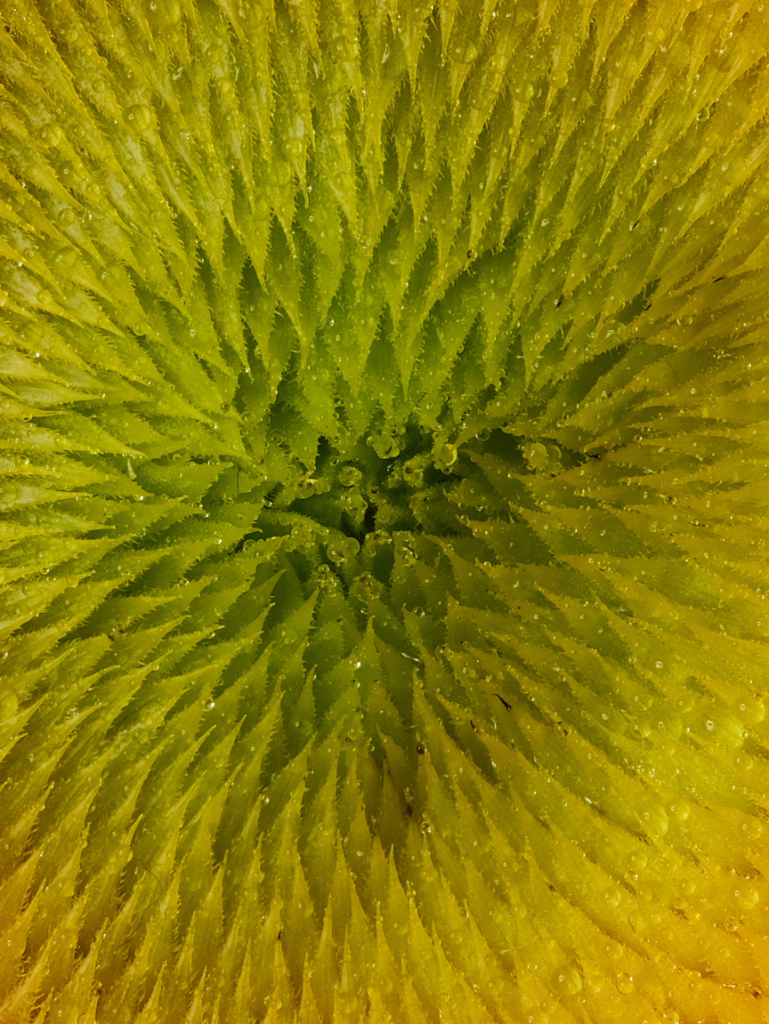
Can you imagine?
This is not a forest by the water, but a one-millimeter view inside a sunflower stamen.
Within that single millimeter lies an unprecedented wonder. This is the experience I had with the Fujifilm GFX 50S II paired with the GF120mmF4 R LM OIS WR Macro.


I love photographing flowers; the unique petal textures and delicate vein patterns of each bloom fascinate me. While flowers can be captured with various equipment, truly presenting the intricate, authentic textures and subtle changes of plants required great effort. Ultimately, through experimenting with a medium format camera and a macro lens, I achieved the results I desired.
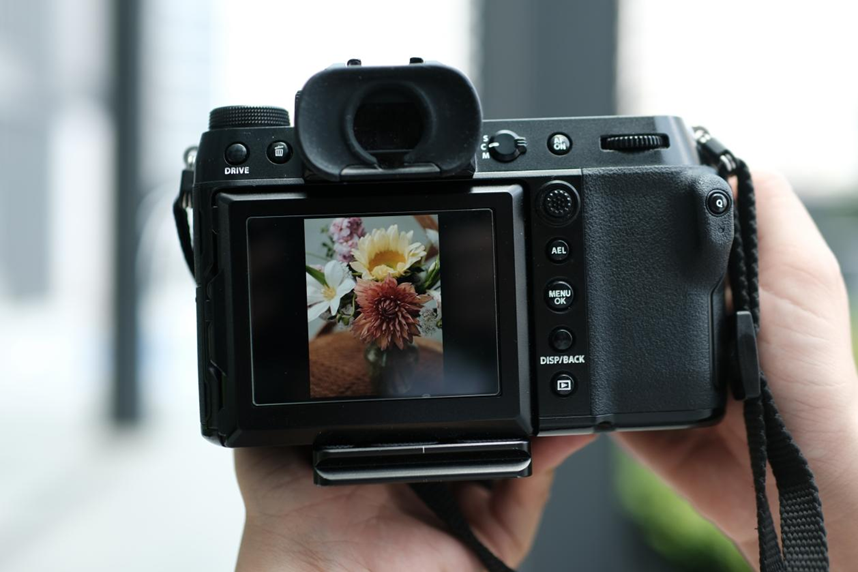
I. Unmatched Image Resolution and Lens Quality for Finest Textures
The GFX 50S II I use boasts an impressive 51.4 megapixels. Its sensor is approximately 1.7 times larger than a full-frame sensor, with individual pixels measuring 5.7 micrometers. For creating dark-toned floral photography indoors, it helps me achieve superior image quality, preserving the detailed layers of vein patterns in the shadow areas of flowers and delivering stunning detail and sharpness.
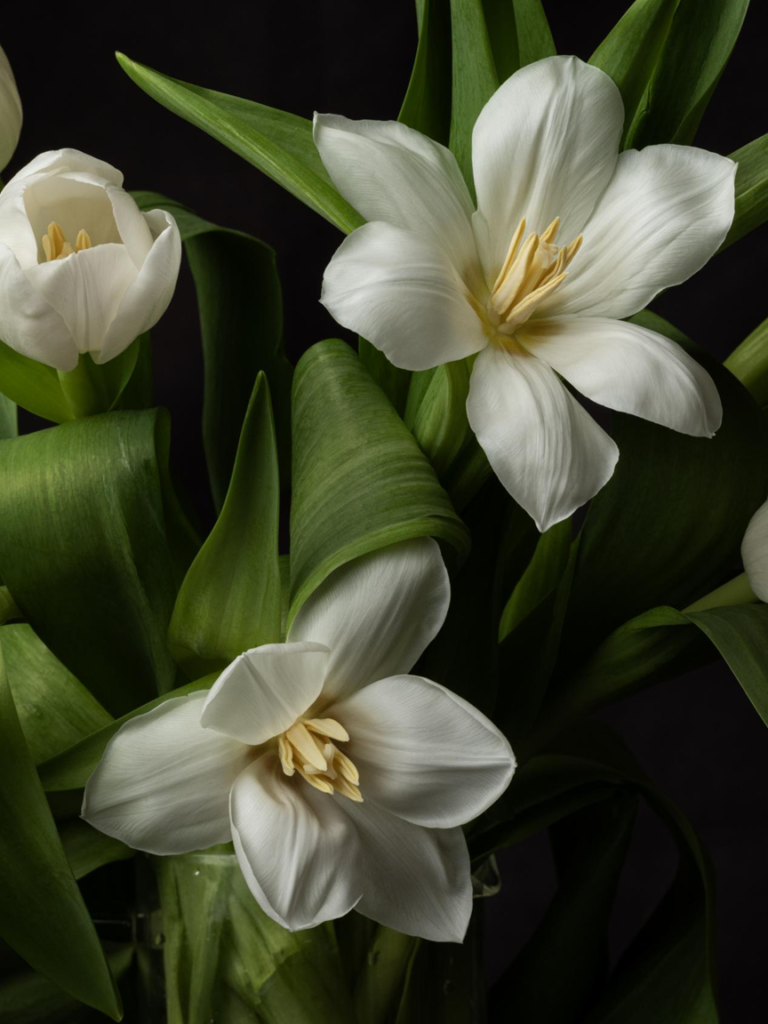
Lens: GF120mmF4R LM OIS WR Macro
Lens: GF120mmF4R LM OIS WR Macro
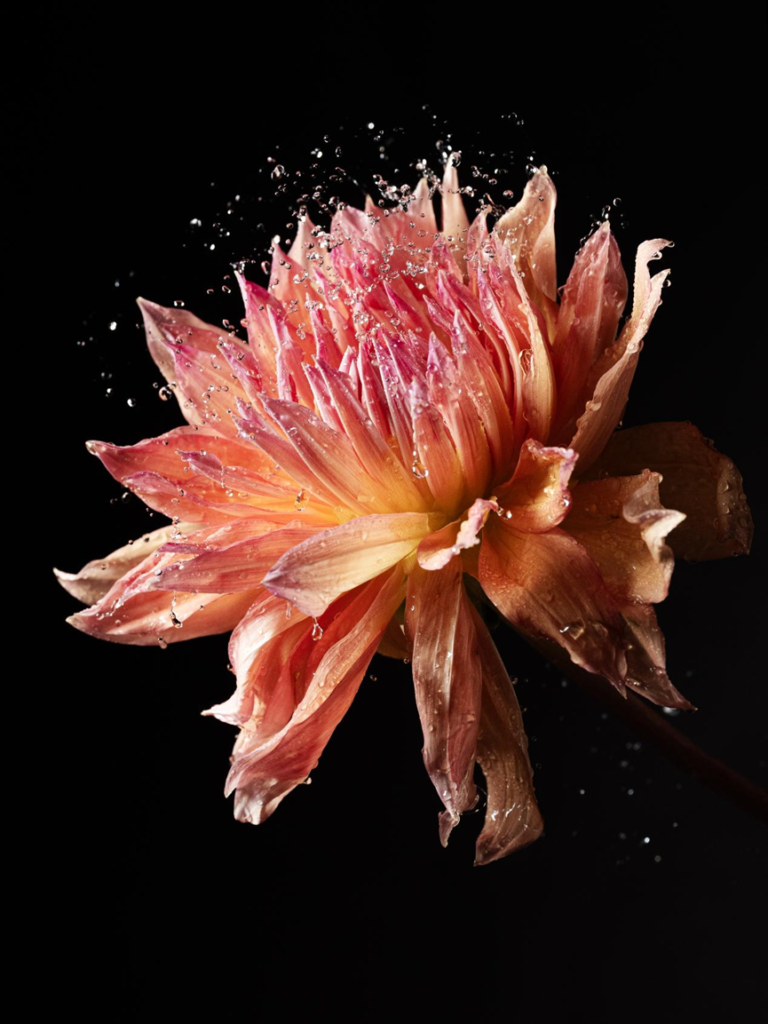
Aperture: f/5.6 | Shutter Speed: 1/160s | ISO: 400 | Focal Length: 120mm
Lens: GF120mmF4 R LM OIS WR Macro
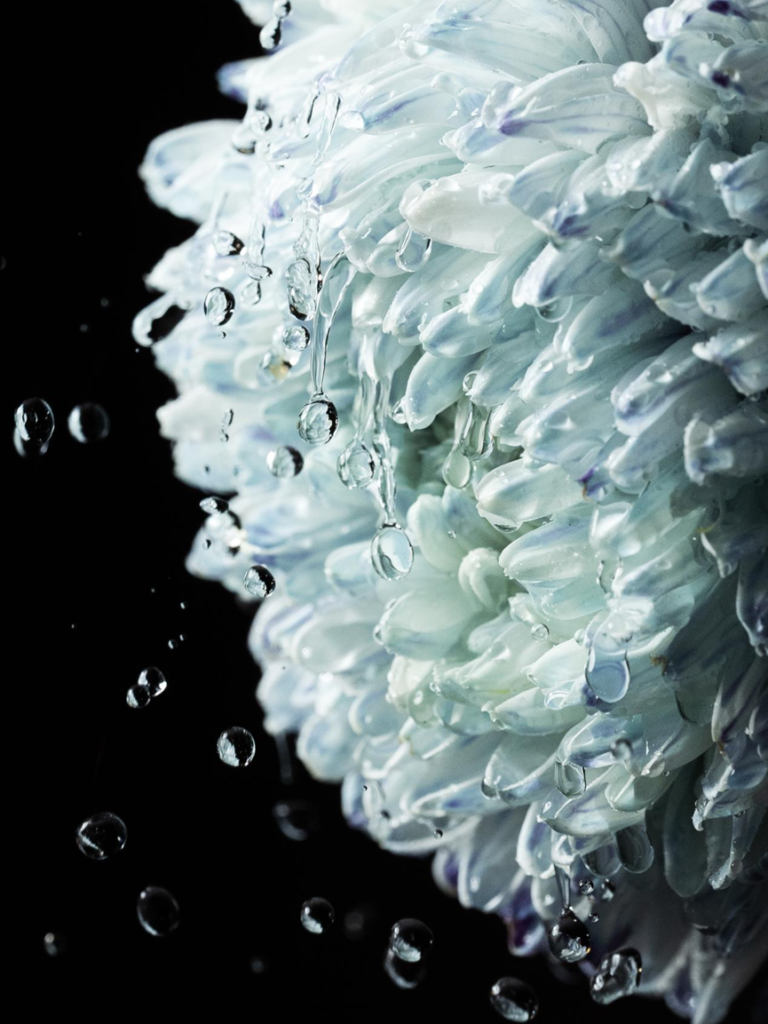
Lens: GF120mmF4 R LM OIS WR Macro
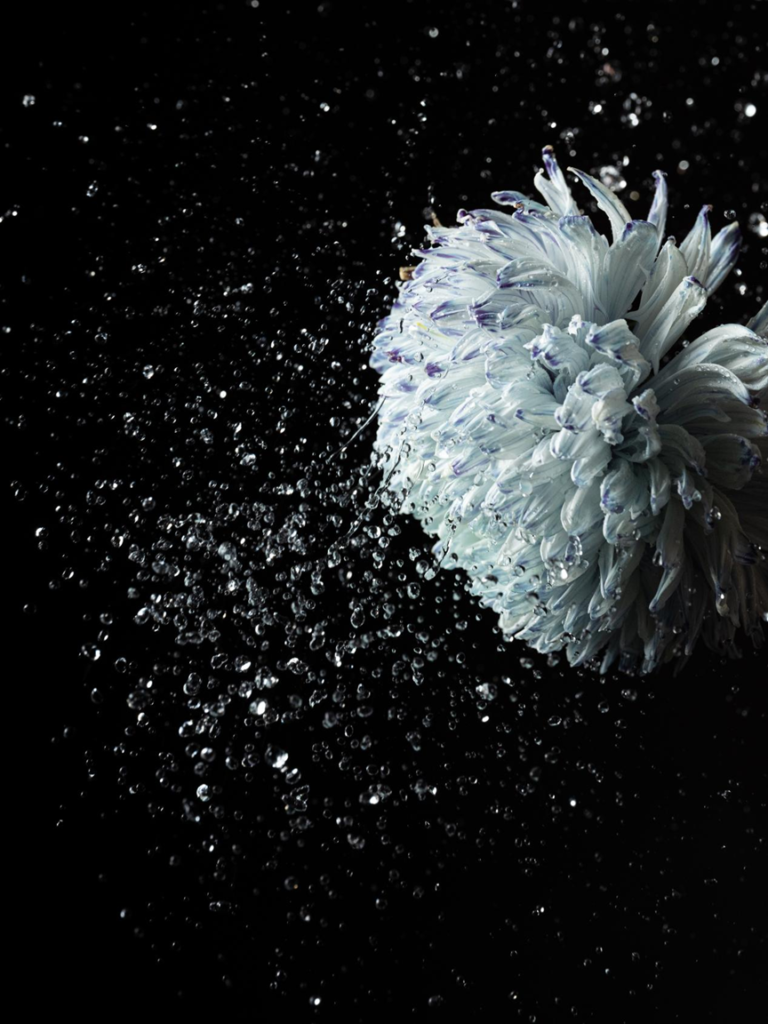
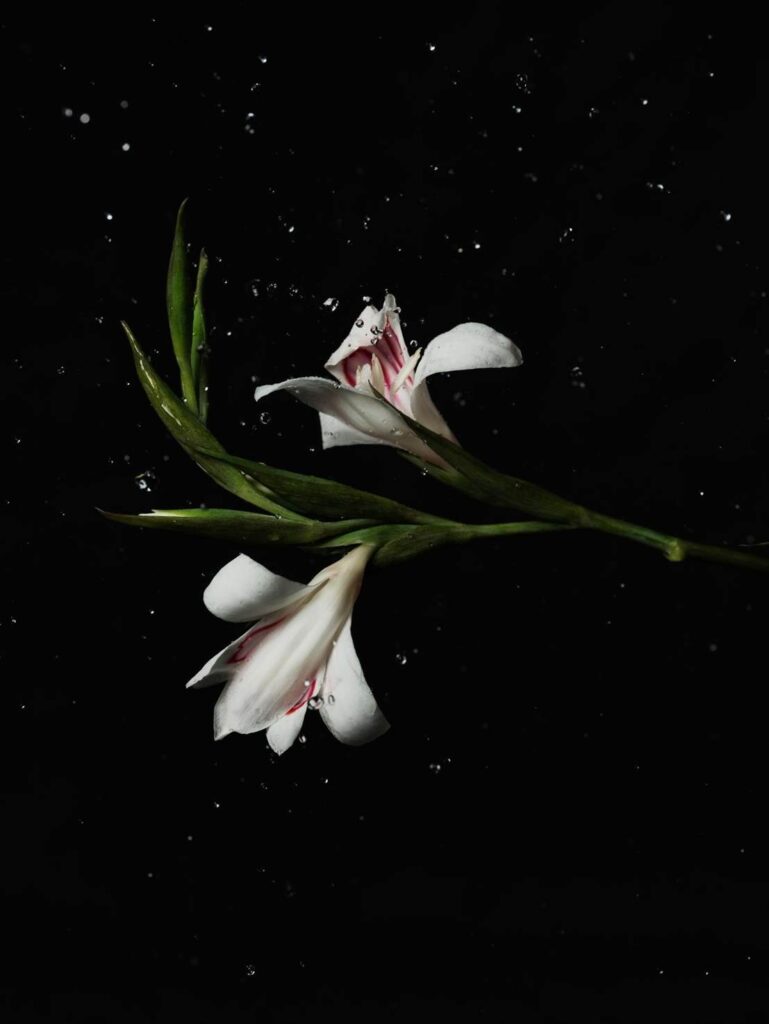
Different flowers exhibit distinct petal textures and colors. When sprinkled with water droplets, they exude a crystal-clear quality—all these require extremely delicate and subtle expression. Under the lens, water droplets on petals just a few millimeters wide are captured with perfect clarity, an exceptional image quality experience brought by the GF120mmF4R lens.
II. Post-cropping Revolution with Exceptional Resolution
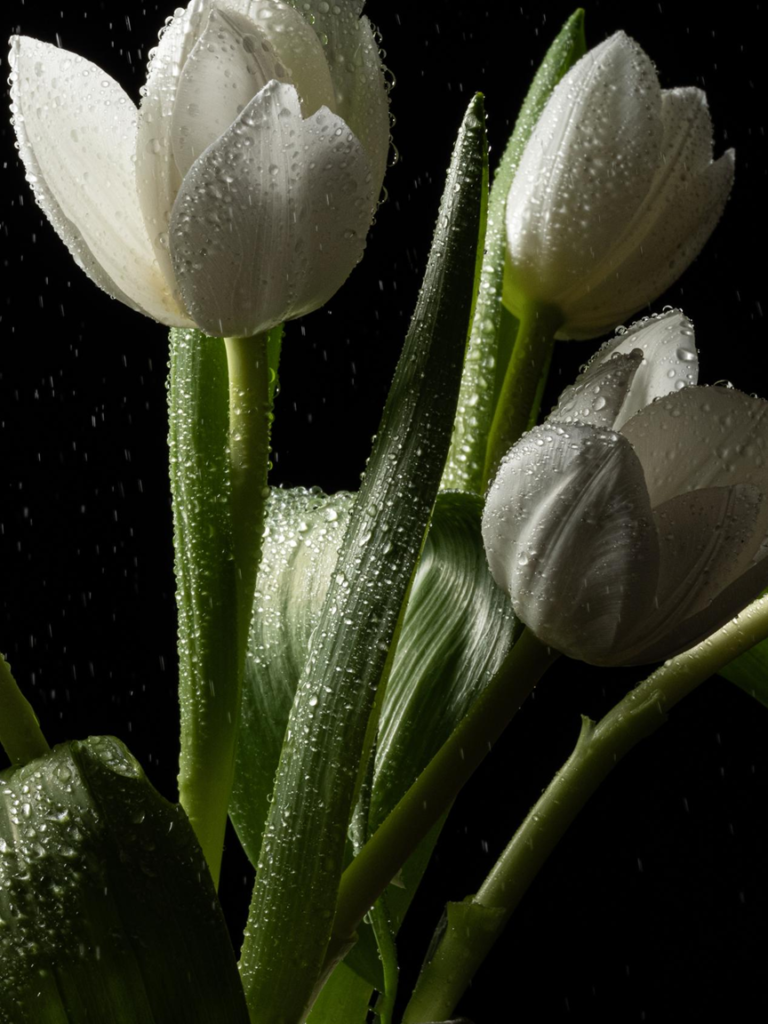
Lens: GF120mmF4 R LM OIS WR Macro
The ultra-high megapixel medium format sensor, combined with GF lenses, delivers extraordinary image resolution and detail rendering. This allows for clear, complete performance even when photos are enlarged, offering a tremendous advantage in presenting object details.
Take this set of white tulips for example. I adore the crystal-clear water droplets rolling on the leaves and petals. When you zoom in on the water droplets on the leaves, you can see the delicate vein patterns and distinct water droplet particles under the powerful medium format resolution, as if freezing a magical moment of nature.
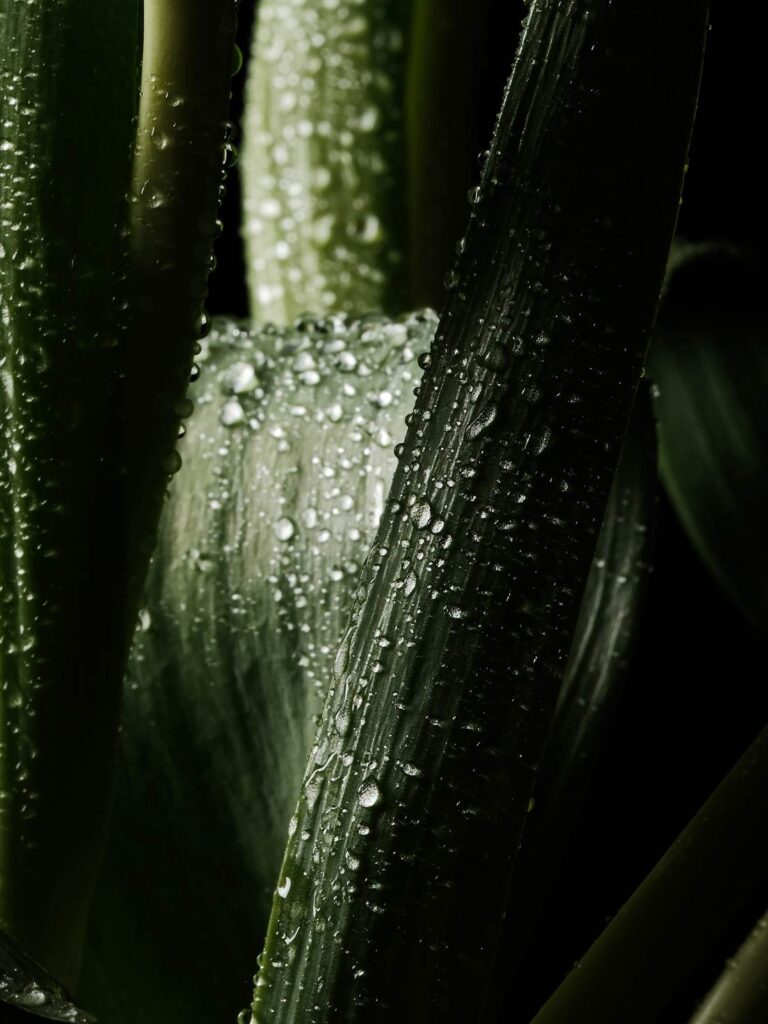
Lens: GF120mmF4R LM OIS WR Macro

Lens: GF120mmF4R LM OIS WR Macro
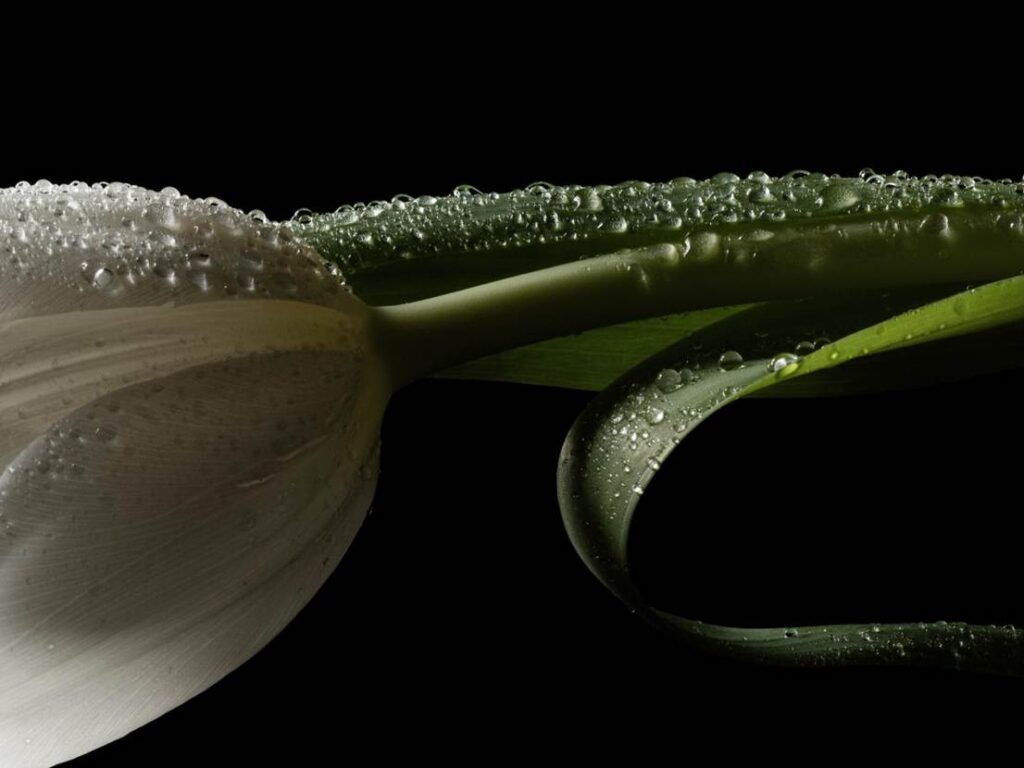
Lens: GF120mmF4R LM OIS WR Macro
51.4 megapixels unlock immense creative possibilities in post-processing. A single photograph can offer multiple innovative perspectives—1, 2, 3, and more. And when you zoom in to examine a detail, you gain an entirely new perception of the scene, a view overlooked by the naked eye.
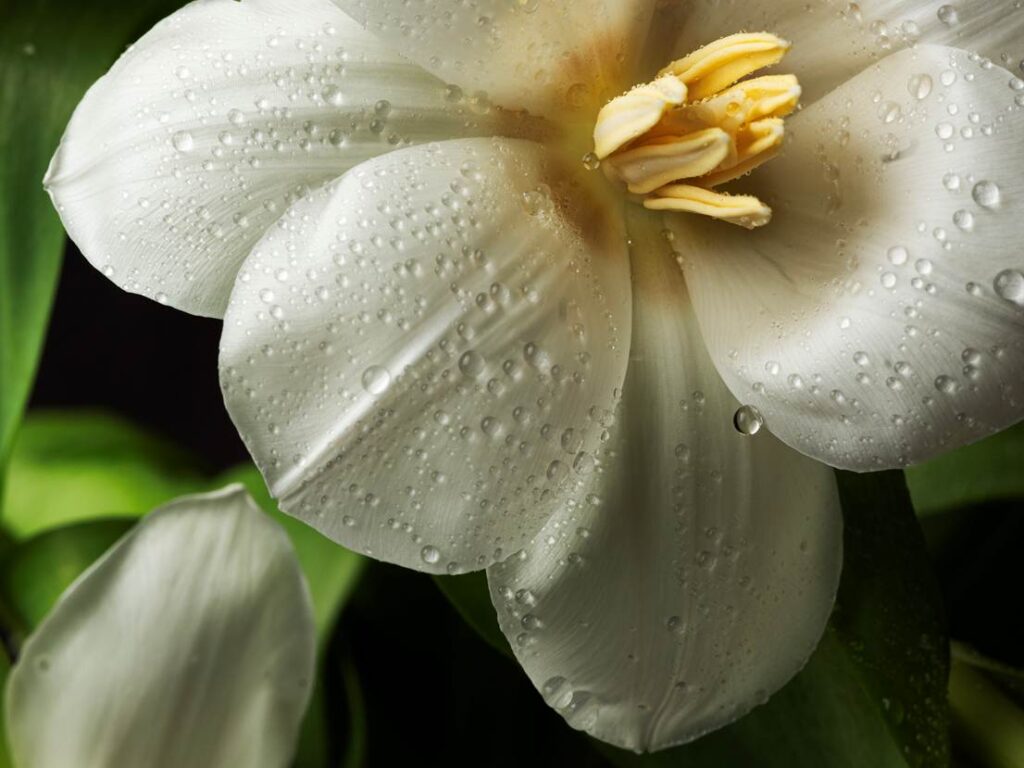
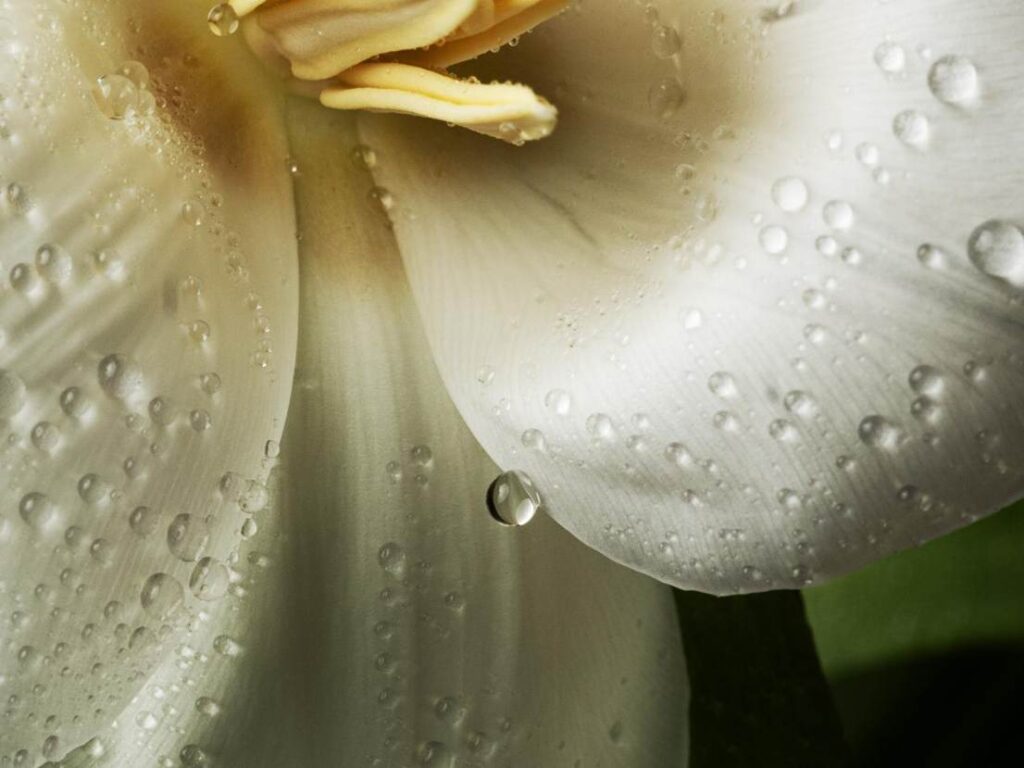
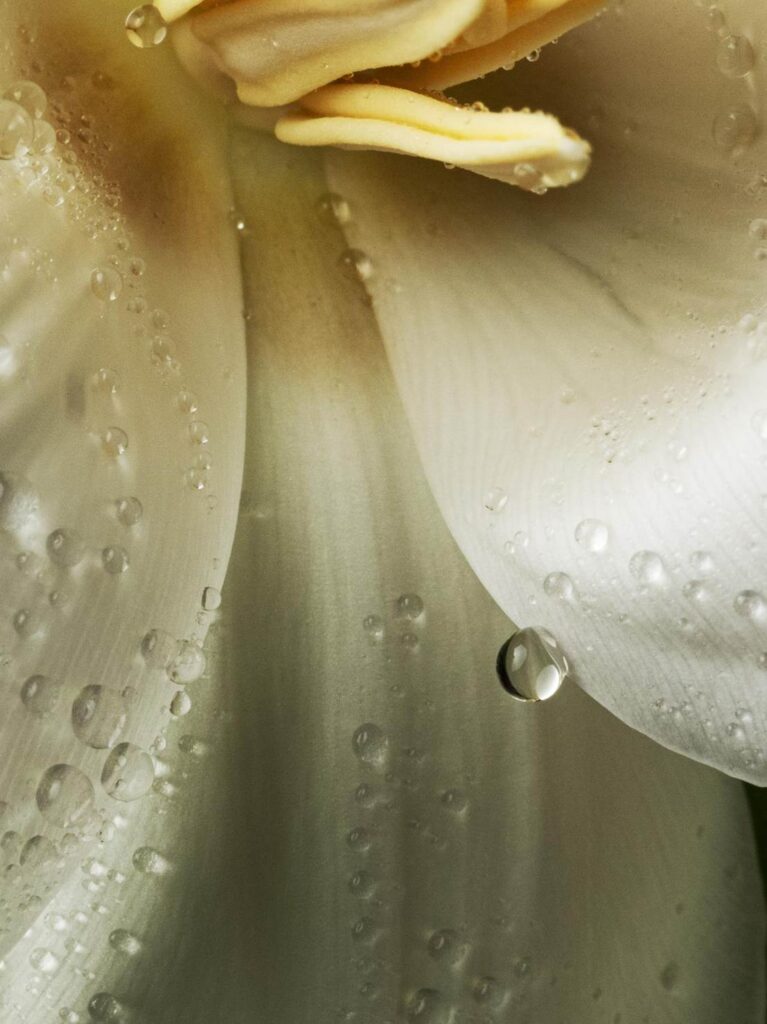
Lens: GF120mmF4R LM OIS WR Macro
Which version of the water droplets on the petals above is your favorite?
The striking close-up below is also the result of secondary cropping.
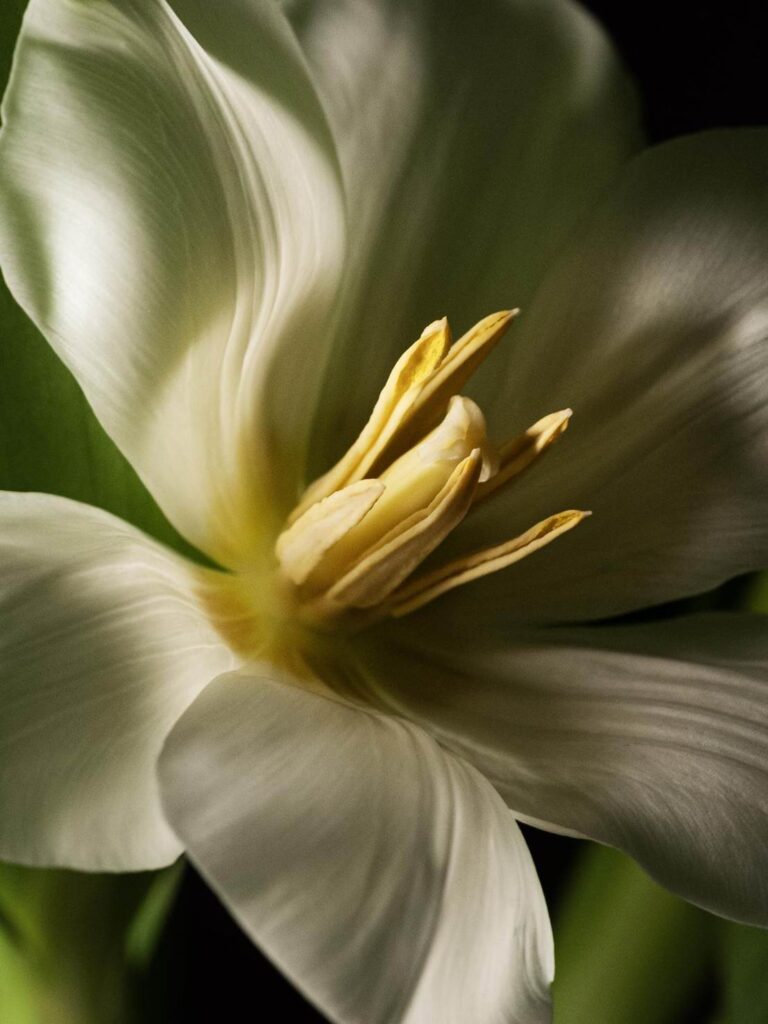
Lens: GF120mmF4R LM OIS WR Macro
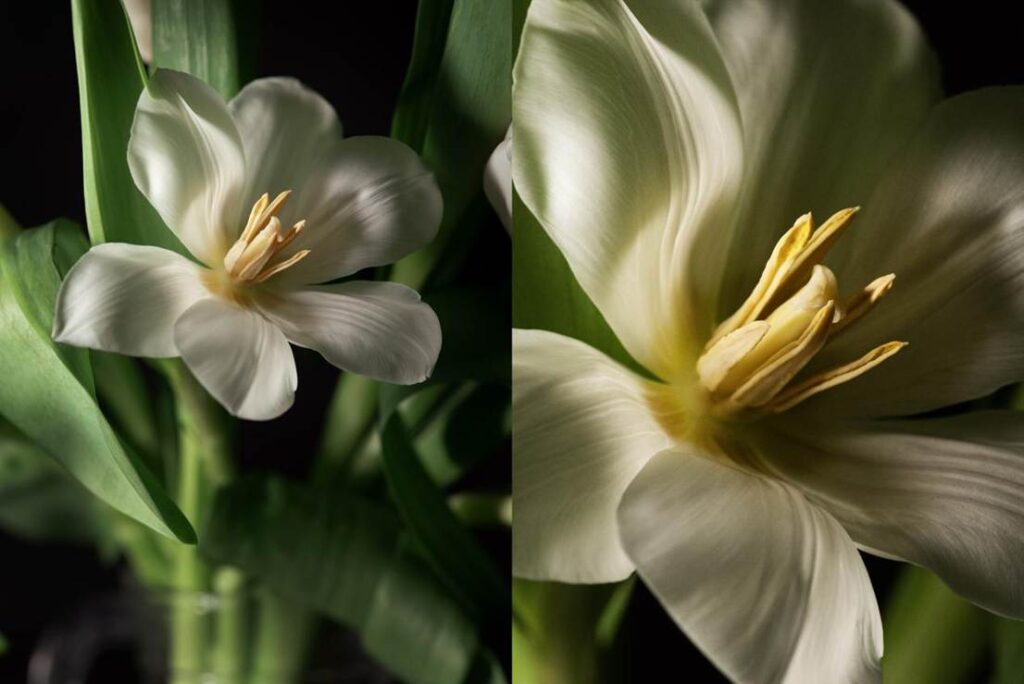
Lens: GF120mmF4R LM OIS WR Macro
Let’s appreciate more works after secondary composition.
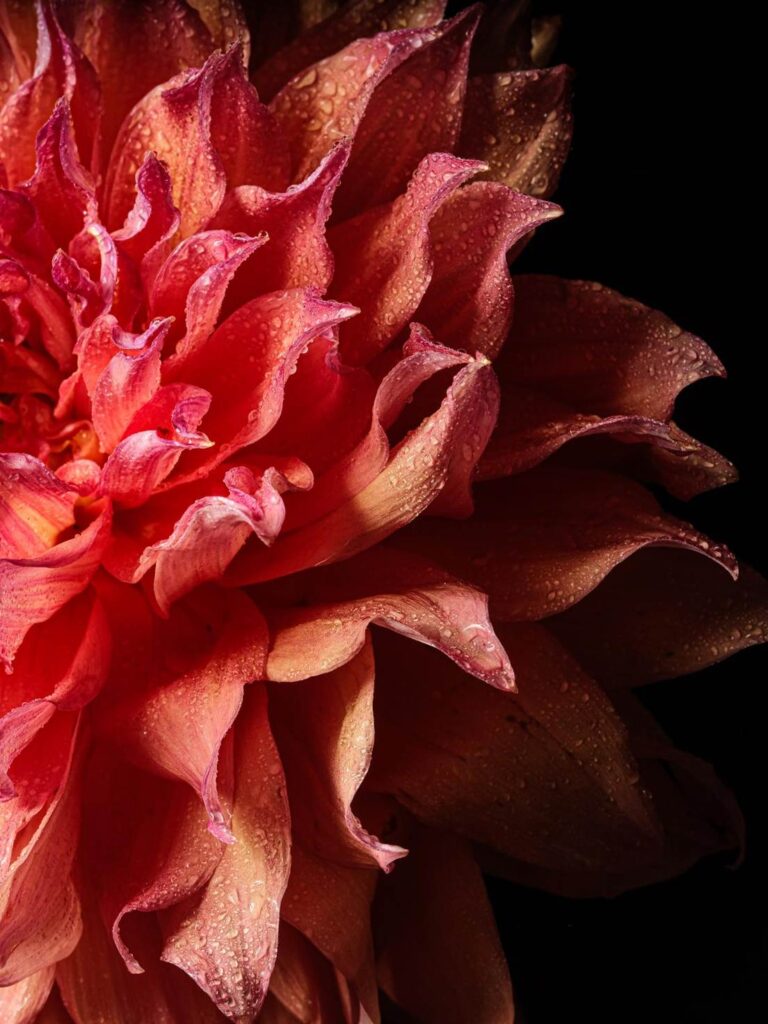
Lens: GF120mmF4R LM OIS WR Macro
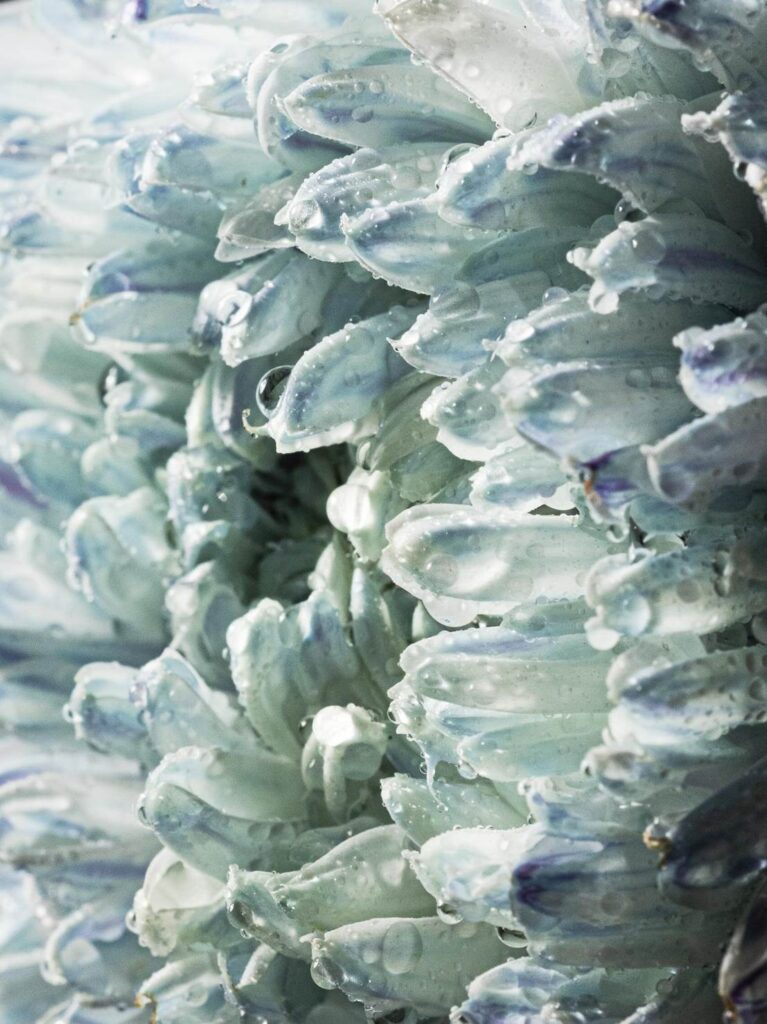
Lens: GF120mmF4R LM OIS WR Macro
Remarkable, aren’t they? Each offers a unique perspective and a new revelation. With exceptional resolution, images unlock ultimate creativity. This is more than just photography—it is an outburst of creativity.
III. Exceptional Exposure Latitude
Not only is cropping completely stress-free, but the Fujifilm medium format GFX 50S II also provides me with enormous flexibility in terms of exposure latitude.
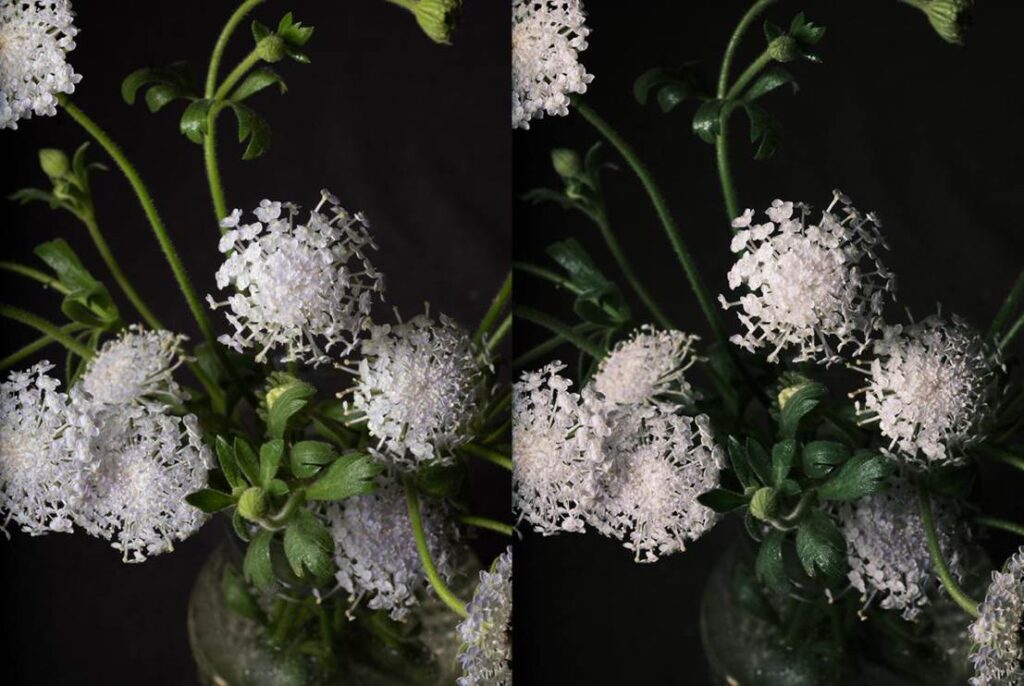
Can you imagine these two images are the same photograph?
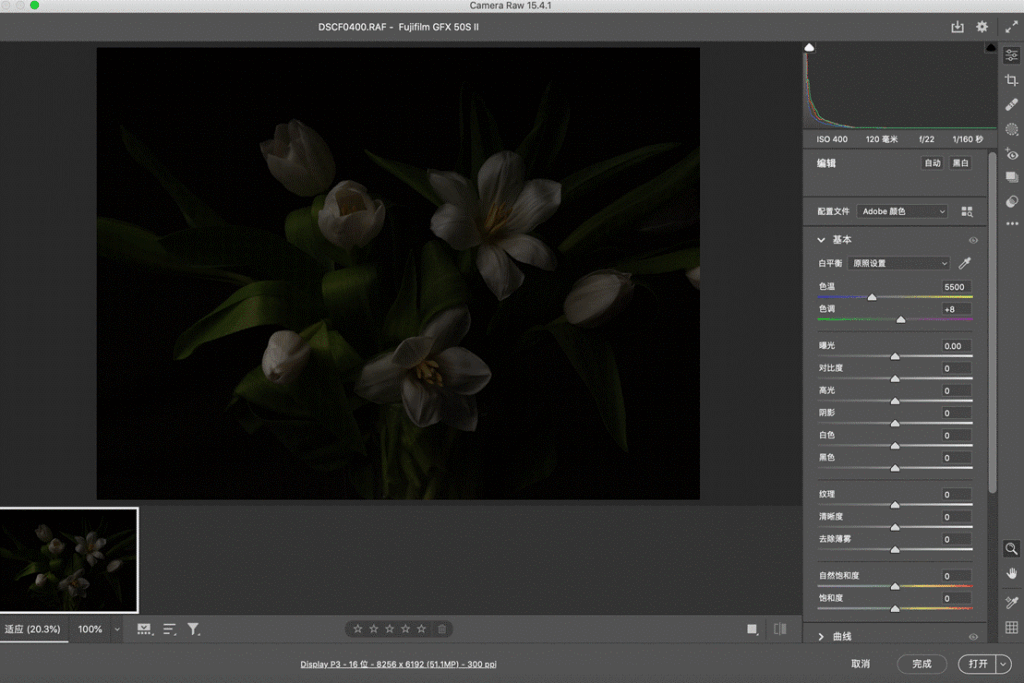
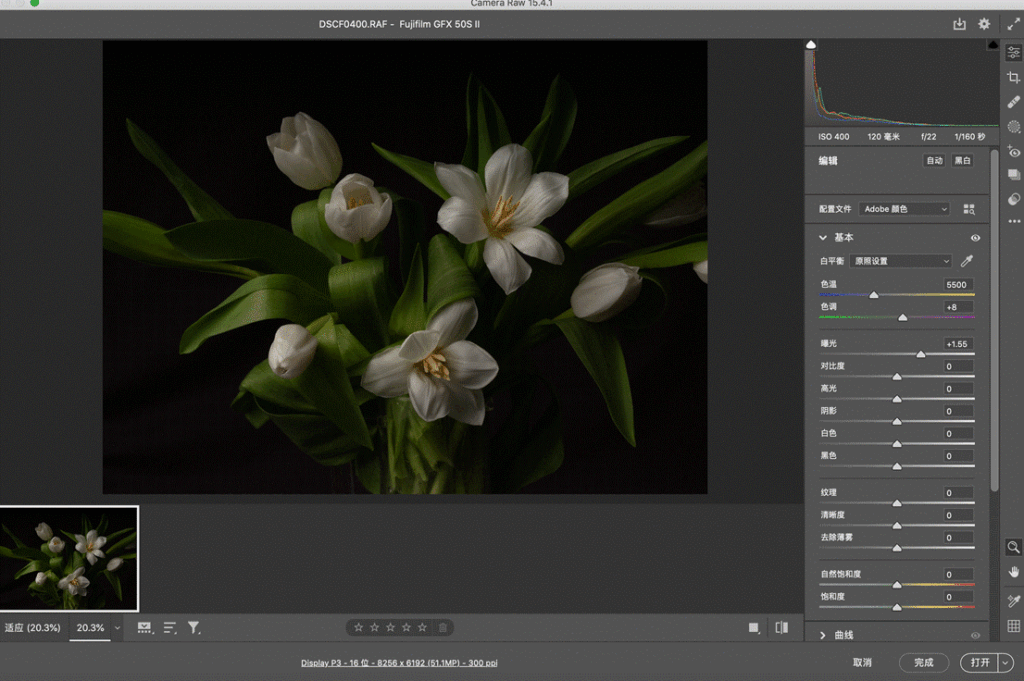
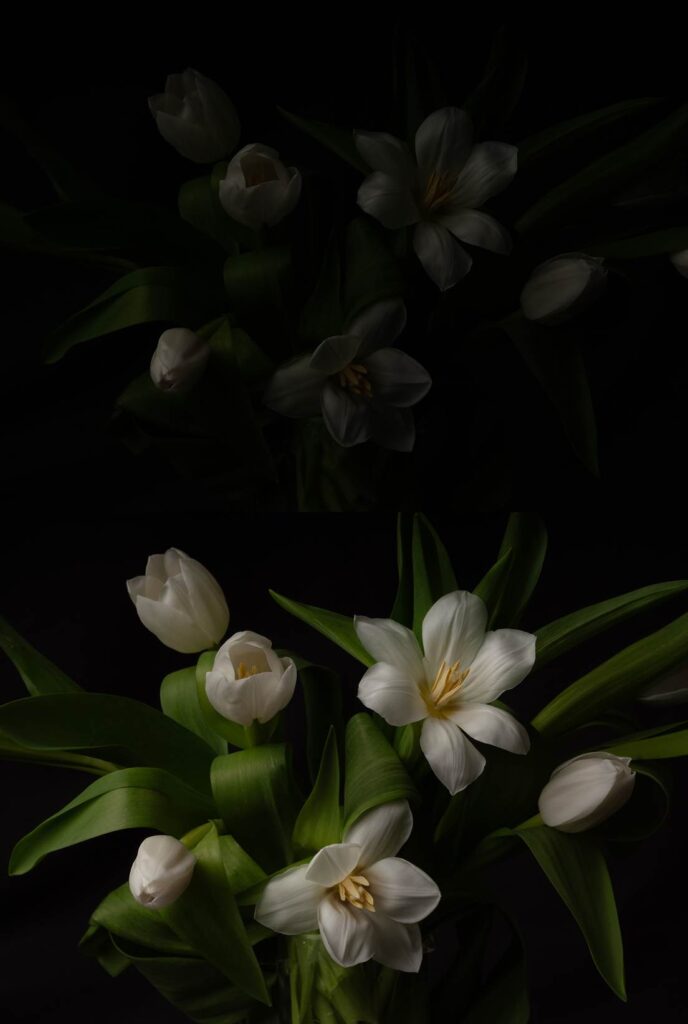
When underexposed due to insufficient light, we can easily recover the lost details in both highlight and shadow areas through post-processing brightening, resulting in a photograph that fully meets our requirements. Compared to full-frame sensors, medium format cameras feature larger pixels that capture more data. The superior signal-to-noise ratio and high dynamic range ensure that underexposed photos retain excellent image quality even after being adjusted to normal exposure.
This is incredibly important for photographers. Every shoot involves different lighting conditions, and leaving room for post-processing to ensure accurate exposure is the pursuit of all photographers.
IV. Capturing Ultra-Large Formats
With 51.4 megapixels, we can handle most shooting scenarios with ease. But what if you want an ultra-large format photograph?
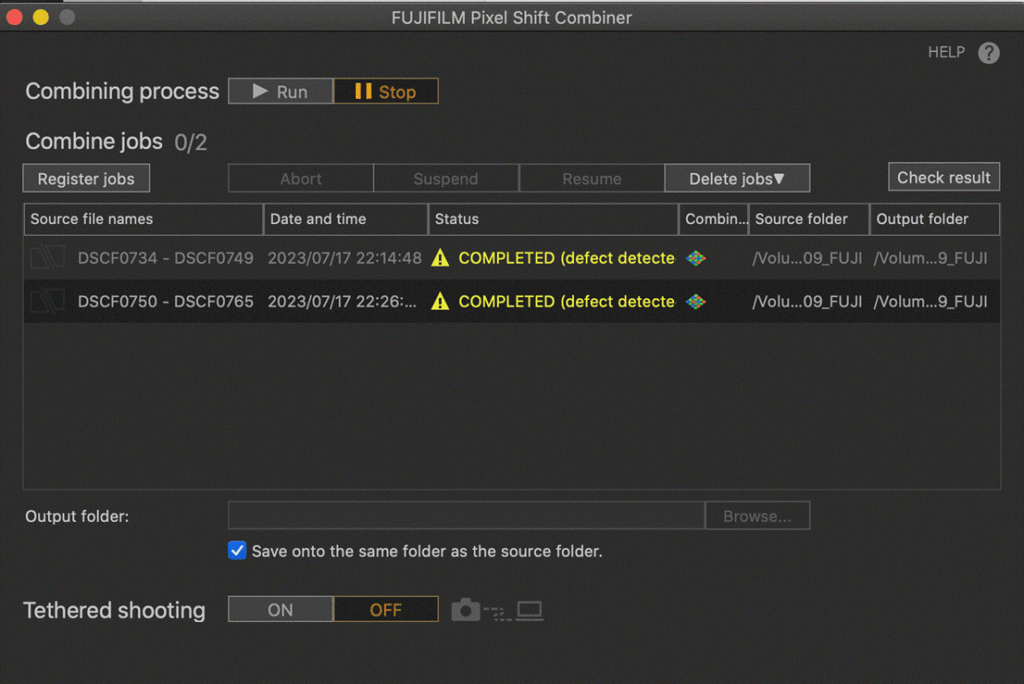
The GFX 50S II supports Pixel Shift Multi-Shot, capable of capturing 200-megapixel images. I fell in love with this feature the first time I used it, and it has proven extremely valuable in many commercial shoots. It allows for effortless creation of ultra-large format images, ideal for commercial product photography and large-format outdoor advertising printing.
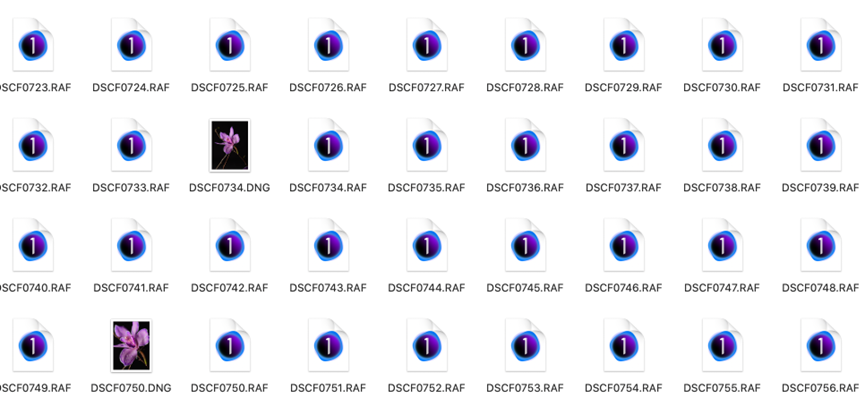
Enable the Pixel Shift function in the camera menu, and after automatically capturing 16 photos, you can create an ultra-large format image with one click using Fujifilm’s Pixel Shift Combiner software.
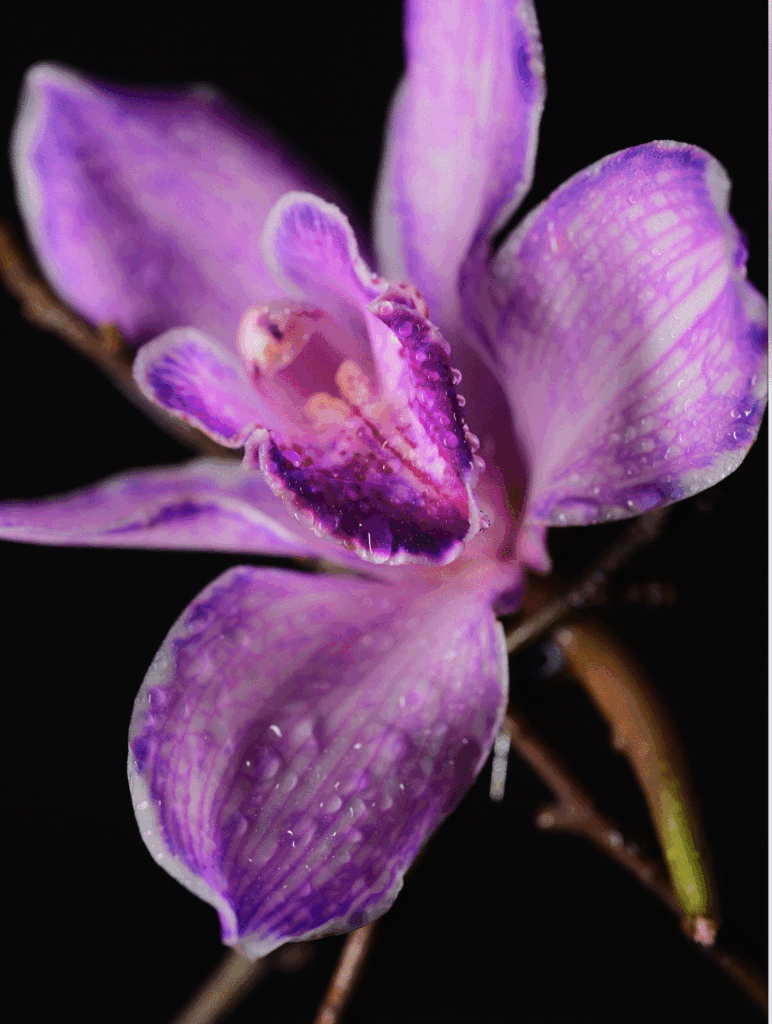
Lens: GF120mmF4R LM OIS WR Macro
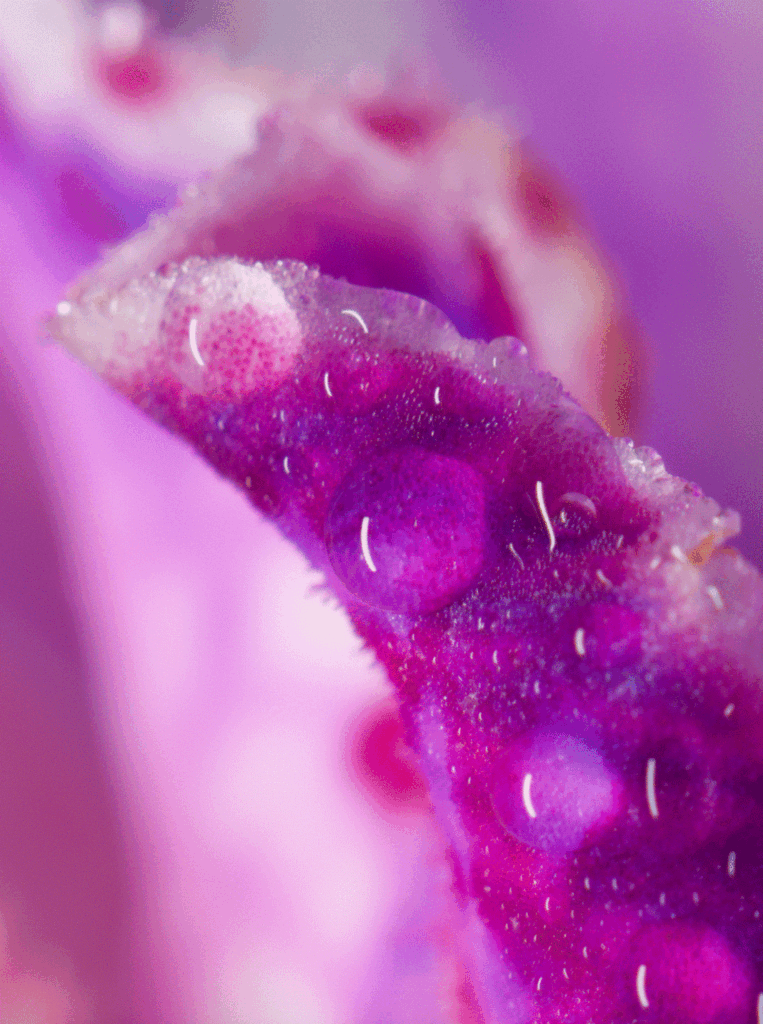
Even when we zoom in on a small tip of a flower stamen, the image remains crystal clear. And the operation is straightforward—all you need is a tripod and the dedicated software.
V. Captivating Color Reproduction
My initial fascination with flower photography was inspired by the flowers in the paintings of Renaissance master Botticelli. Those exotic flowers and plants, seemingly from heaven, with their magical colors, were utterly enchanting. To my great delight, in Fujifilm’s exclusive in-house film simulation modes, I finally found the unique, artistic atmosphere I had been searching for all along.

、

Lens: GF120mmF4R LM OIS WR Macro
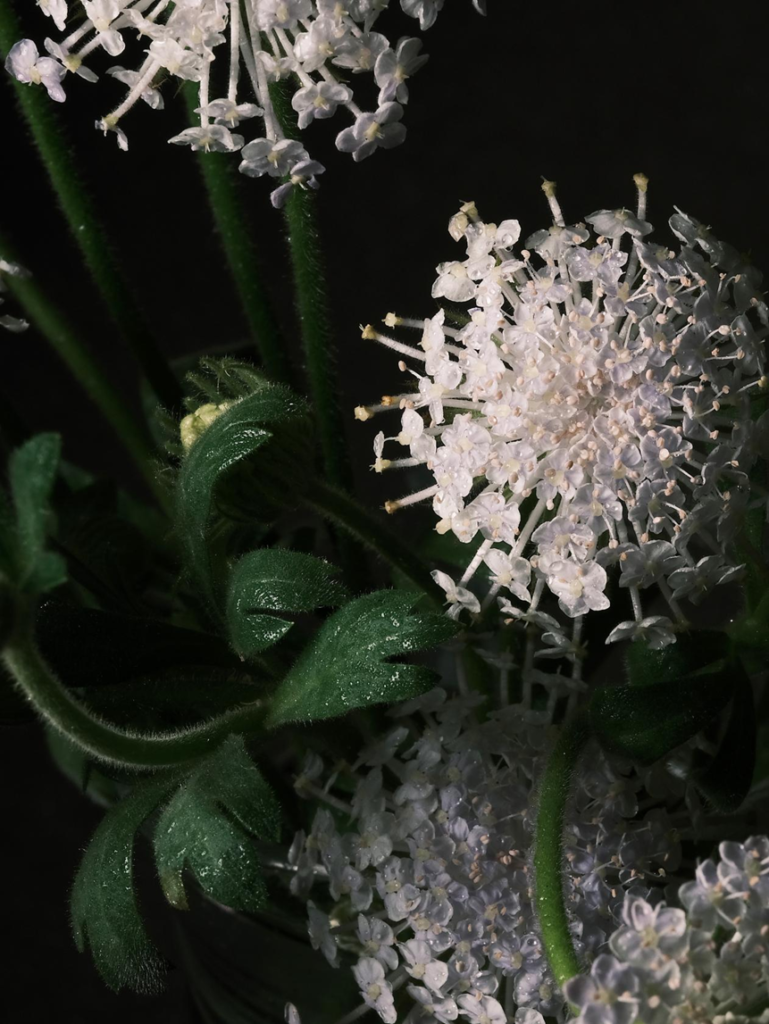
Lens: GF120mmF4R LM OIS WR Macro | Film Recipe: NHC
Lens: GF120mmF4R LM OIS WR Macro | Film Recipe: CC
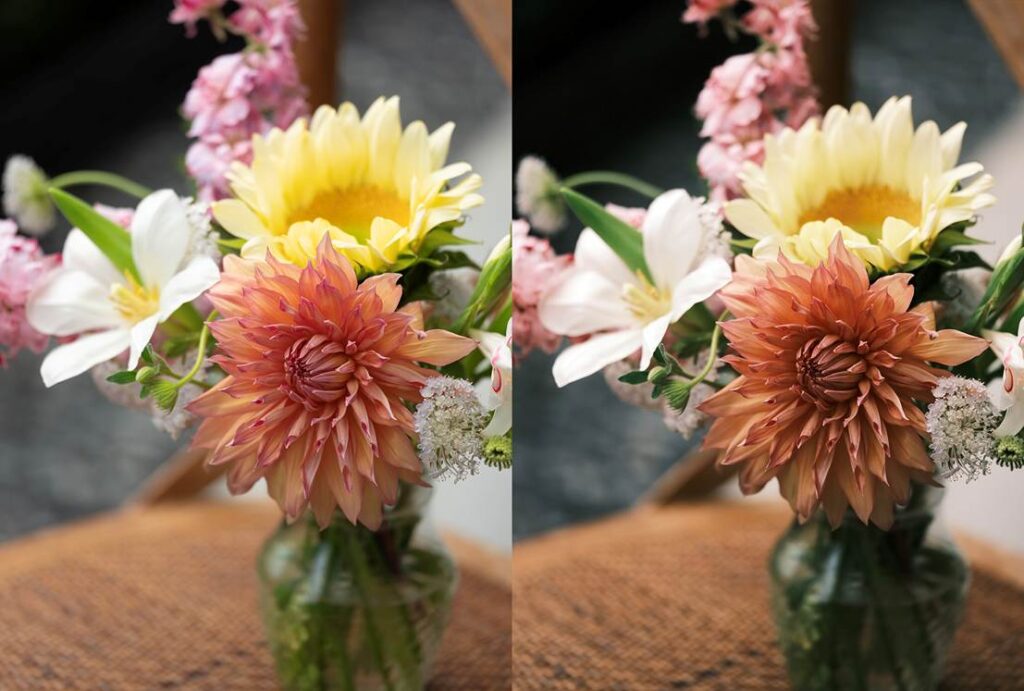
Lens: GF120mmF4R LM OIS WR Macro | Film Recipe: NHC
The introduction of film simulation recipes brings more stylized creativity to images. The NHC film recipe, with its retro colors and profound details, unlocks unprecedented shooting inspiration in an instant.
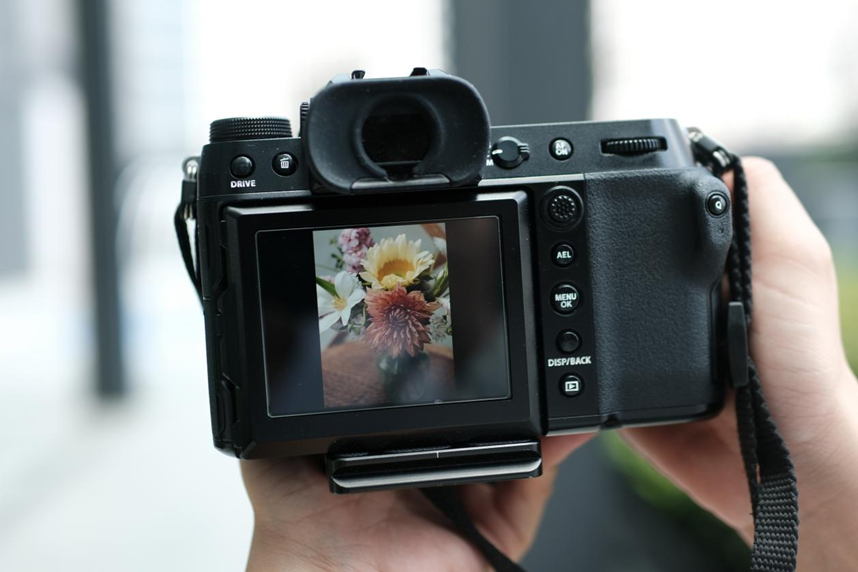
The Fujifilm GFX50S II is currently the medium format mirrorless camera in the Fujifilm GFX series with the most film simulation modes—19 in total. What’s more, you can overlay tone curves, color intensity, color shift, and other adjustments on the basis of film modes, which greatly reduces post-processing time for photographers.
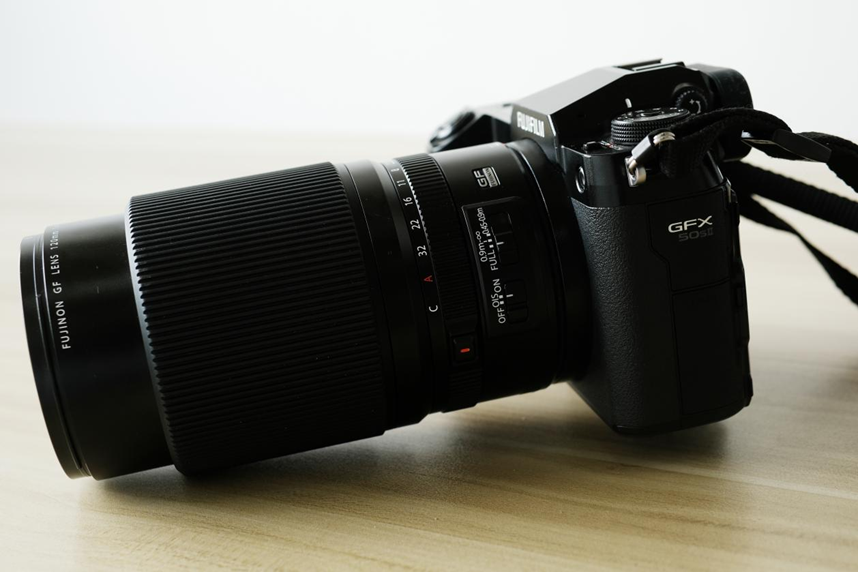
After this shooting project, the Fujifilm macro lens GF120mmF4 brought me great surprises. Its excellent focusing capability allows me to focus accurately even when shooting splashing water droplets and other dynamic scenes, capturing the perfect moment. Paired with the GFX50S II body, it delivers outstanding image quality and exceptional operability. This combination will be my ultimate choice for still life creation in the future.
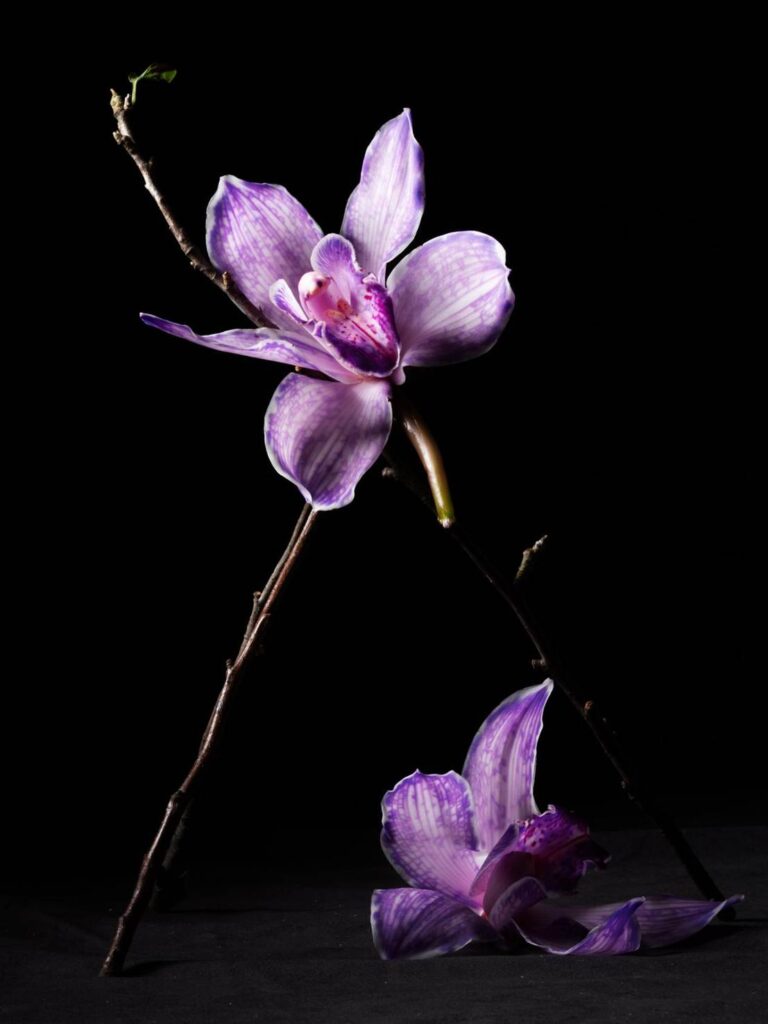
Lens: GF120mmF4R LM OIS WR Macro | Film Recipe: CC
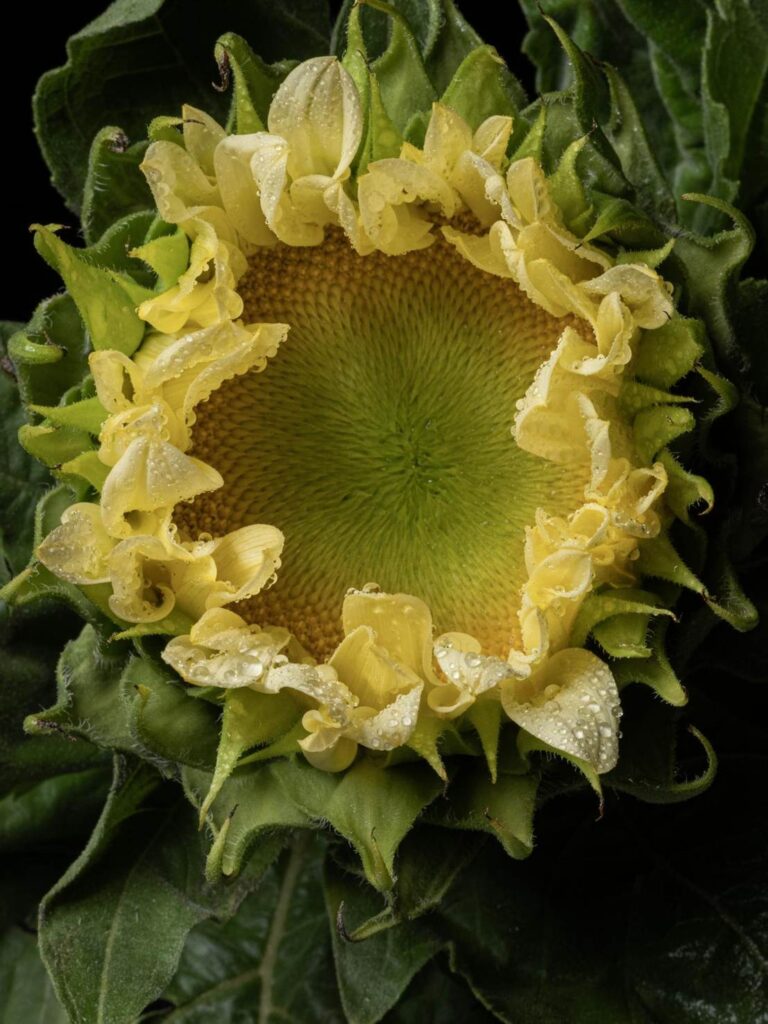
Lens: GF120mmF4R LM OIS WR Macro | Film Recipe: CC
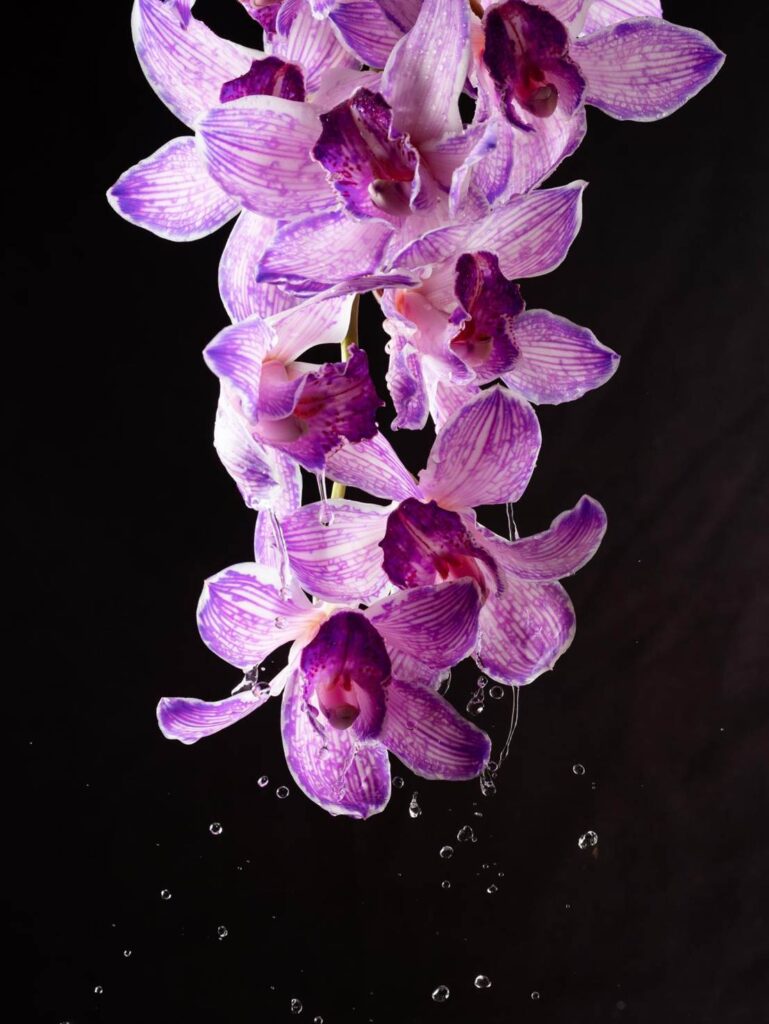
Lens: GF120mmF4R LM OIS WR Macro