
Time flies, and it’s time for the year-end inventory again. Looking through the photos I took this year, I suddenly realized that I have inadvertently tried out the medium format bodies of the three top high-end brands on the market. I have created works with each of them. So on this early morning of bidding farewell to the old and welcoming the new, with a cup of sweet osmanthus Longjing tea in hand, let’s talk about my experience using Fujifilm, Hasselblad, and Leica medium format cameras this year.
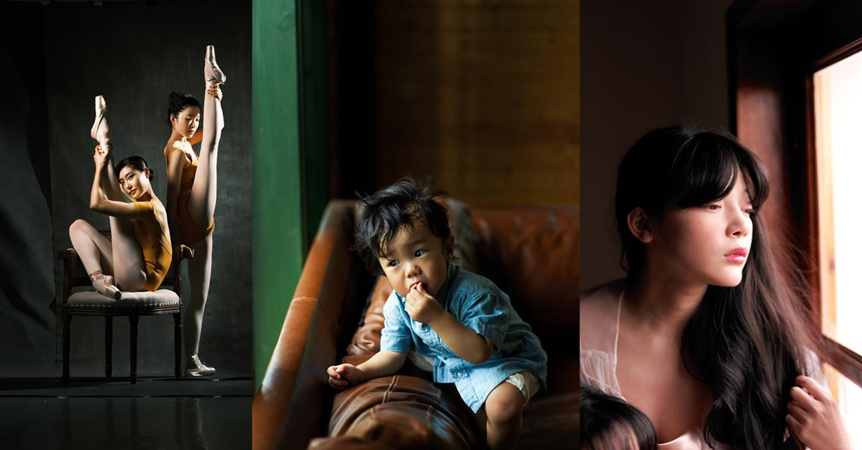
The Three Cameras Compared
The three models compared today are:
Fujifilm GFX100S | Hasselblad X1D II 50C | Leica S2 (in this order)
Let’s first take a horizontal look at some basic information about these three cameras:
Release Date: 2019, 2019, 2009
Approximate Release Price: ¥69,000, ¥40,000, ¥120,000 (and that was ¥120,000 in 2009!)
(Prices do not include lenses; with lenses, the total cost of these three cameras is equivalent to a B-class car)
CCD Size: 43.8mm×32.9mm, 43.8mm×32.9mm, 30×45mm
Megapixels: 100 million, 50 million, 37.5 million
Although all three are medium format cameras, each has its own unique strengths that make it stand out on its own.
A high-performance workhorse for ultimate image quality, a choice for high-end enthusiasts, or extreme brand recognition—these are the reasons why different photographers make different choices. Beyond hard specifications like megapixels, Fujifilm, Hasselblad, and Leica each have their own unique color processing secrets. Fujifilm’s film simulation system, Hasselblad’s 16-bit true color reproduction, and Leica’s distinctive Germanic color palette are all difficult to replicate in post-processing. Once you’re drawn to them, you have to invest in the original equipment.
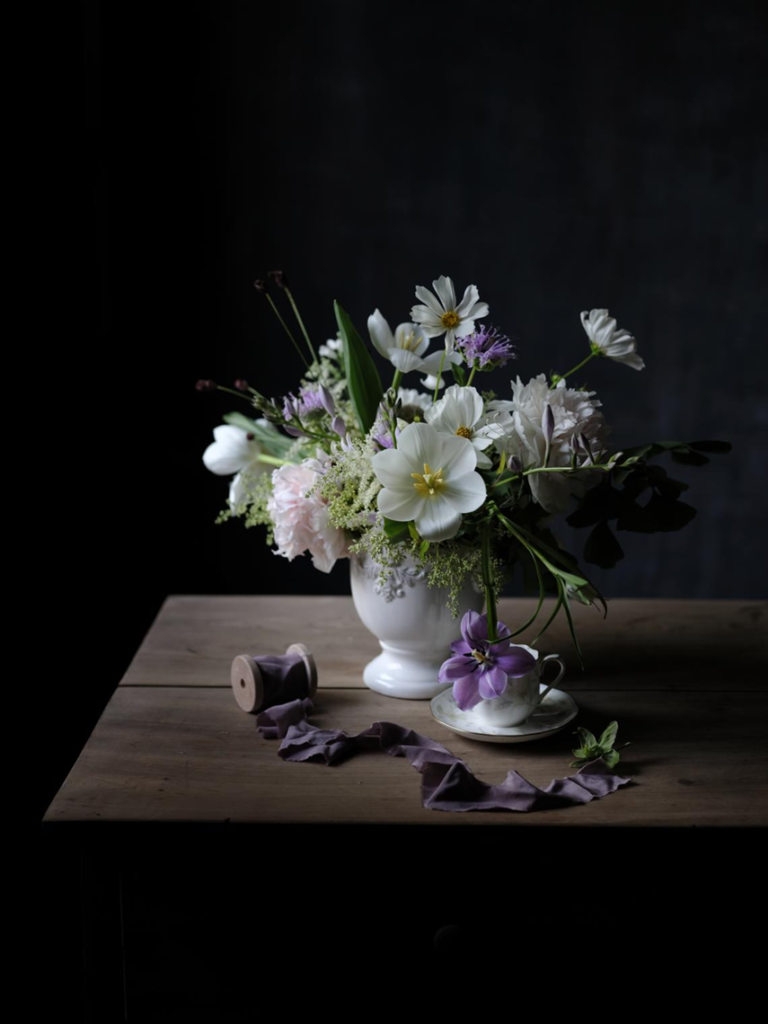
Brand DNA Beyond Specifications
Digital products evolve rapidly, so comparing these three products from different eras may seem unfair. But photographers who have used more than two brands of cameras must feel that each camera brand is like a person with its own personality, temperament, and style. A person at three and thirty may look completely different, but you can still capture their similar spirit and mannerisms. Despite different release eras and significant megapixel differences, the photographic style, color control, and image texture are elements engraved in the brand’s DNA, unchanged by time. From this perspective, we can understand the genes of these three brands through their products from different eras.
Therefore, in this horizontal comparison, we will not focus on technical specifications such as continuous shooting speed and maximum shutter speed—you can find these data on the internet. Instead, we will show you the actual images and let you appreciate the image texture and color rendering to see if they match your expectations. After all, when spending more than ¥50,000, you’re not just buying parameters, but value recognition and sensory expression. The following evaluations are all personal opinions; click on the images to zoom in for details.
Original Image File Sizes
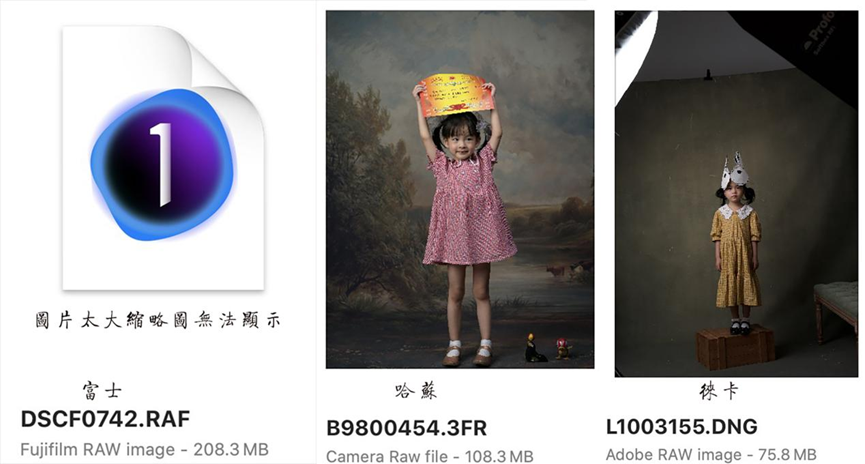
Look at the original image file sizes—one raw file at 200MB is like an ocean of information.
Then let’s take a look at their respective original raw file effects (RAW frames).
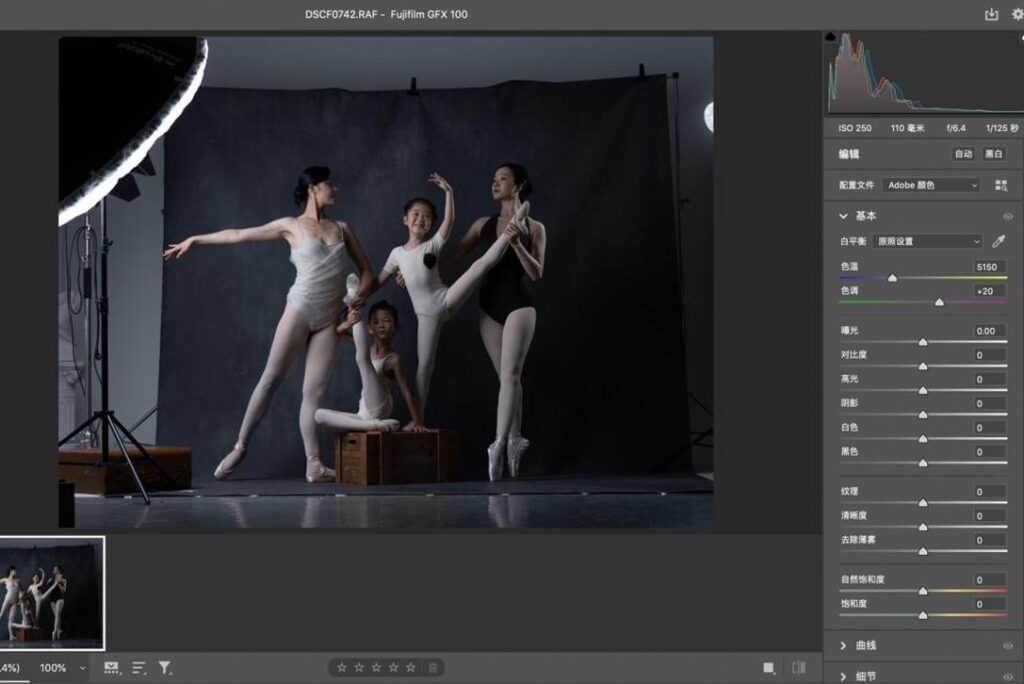
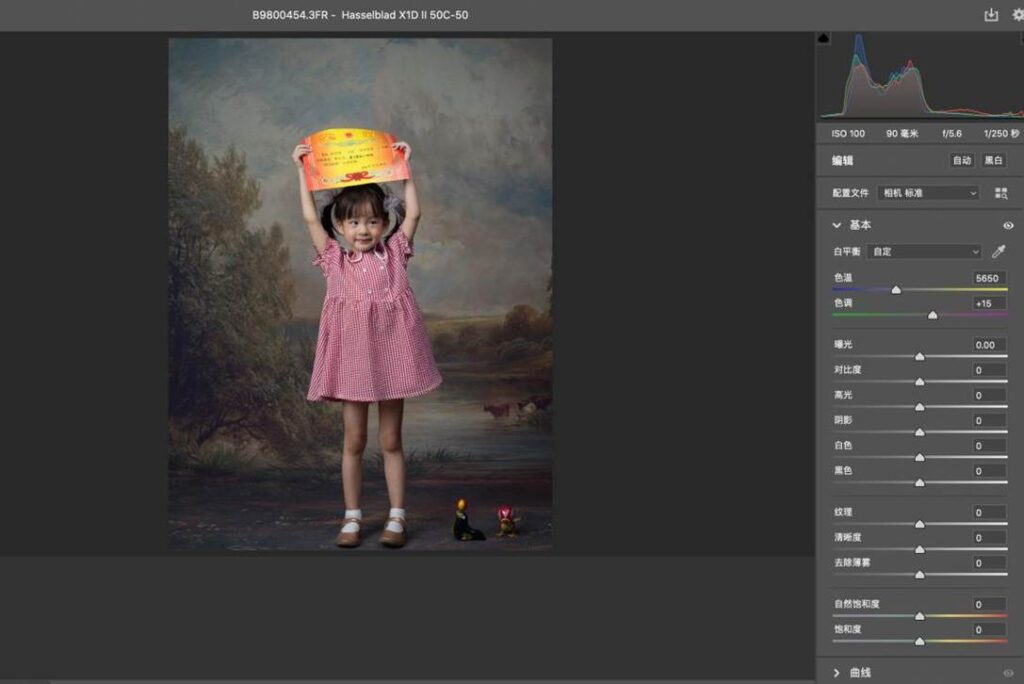
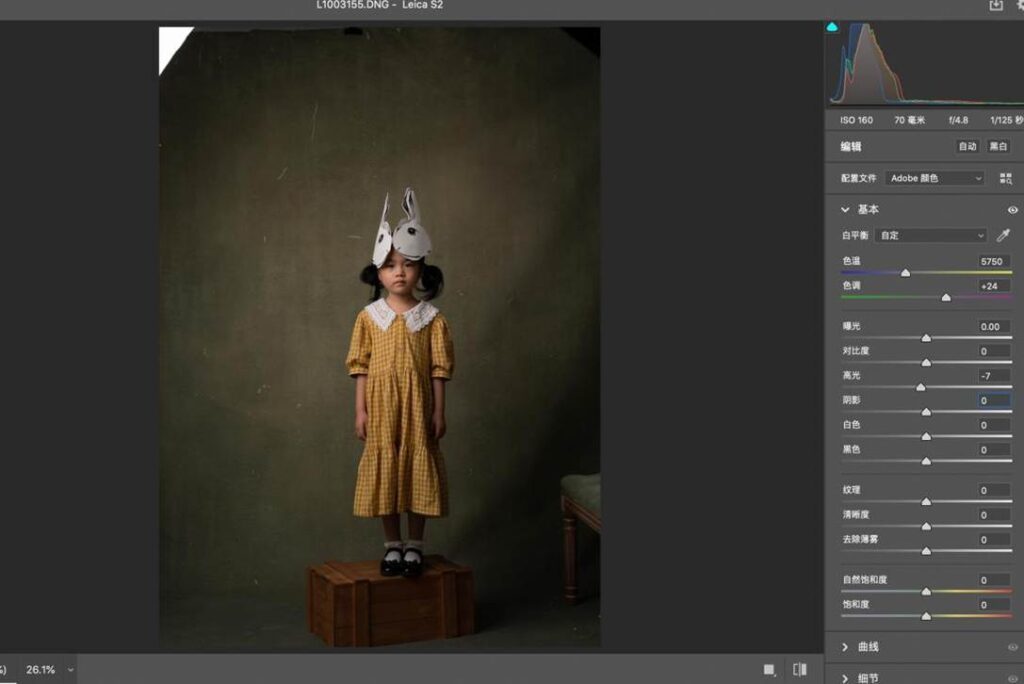
I. Their Unique Color Interpretations
The color processing of all three brands is exceptional. Let’s see the color differences between their in-camera JPG and raw files with their respective brand color profiles applied.

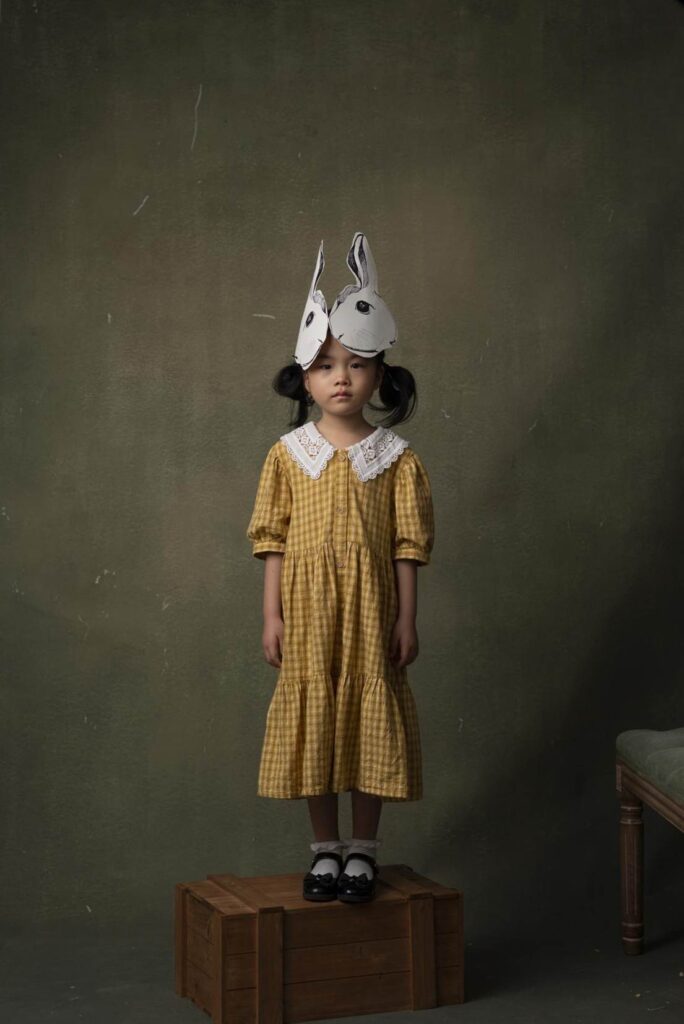
Let’s examine the details by zooming in on a stamp-sized area of each image:
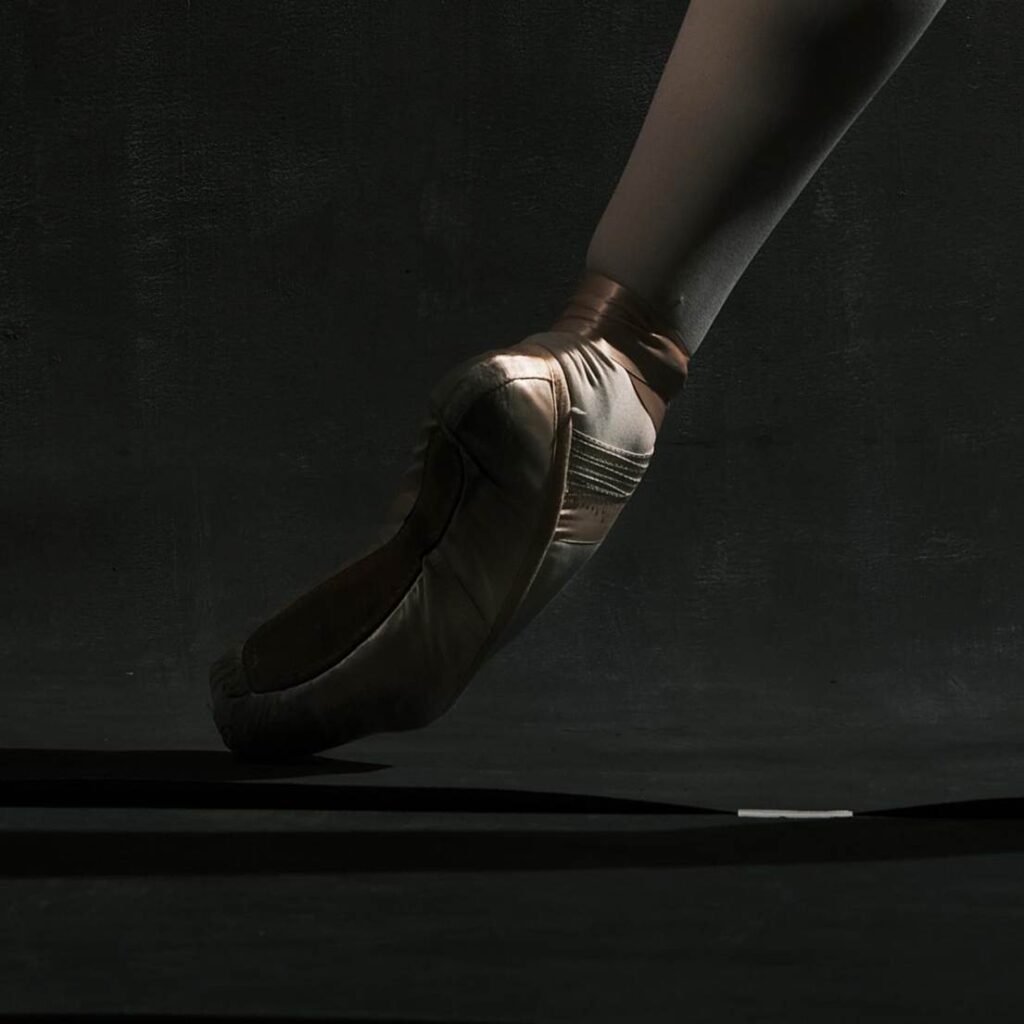
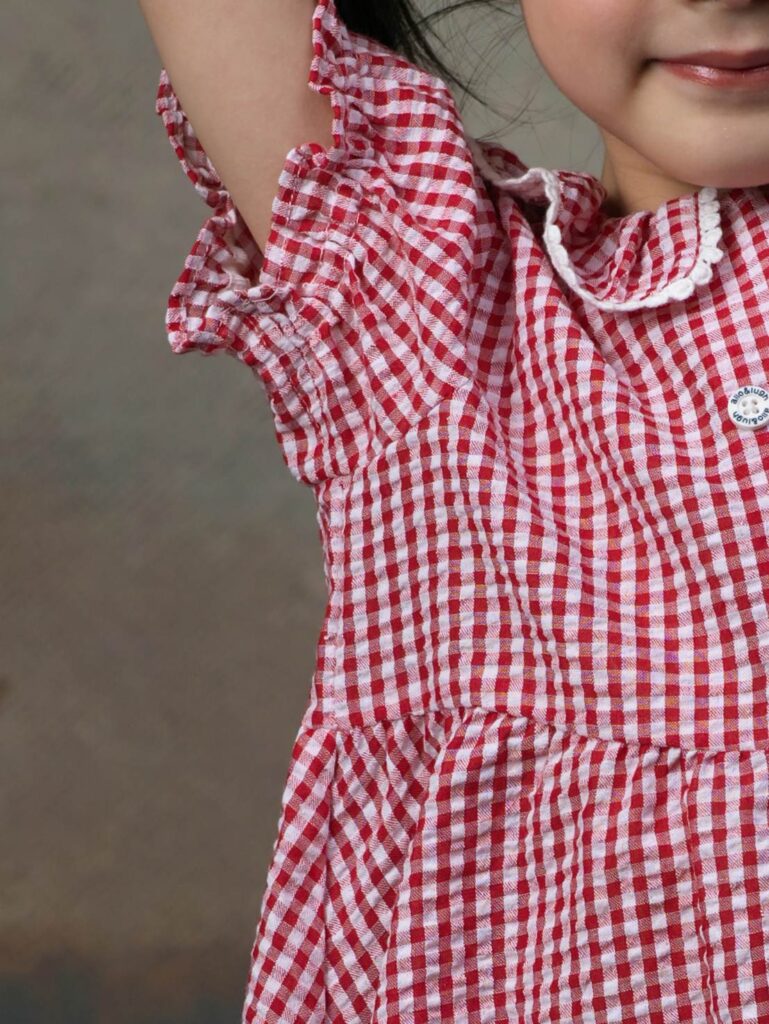

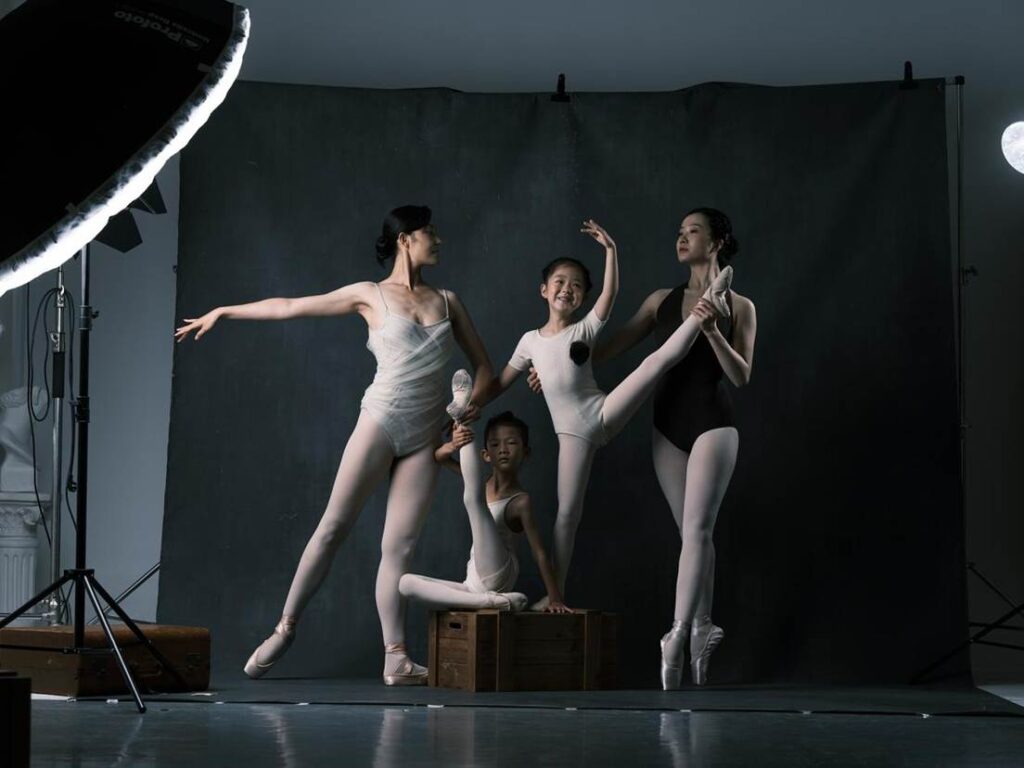
To showcase the best performance of each body, all shots were taken in a professional studio with the Profoto lighting system—a perfect combination of top-tier equipment. By now, you must have noticed the subtle yet distinct differences.
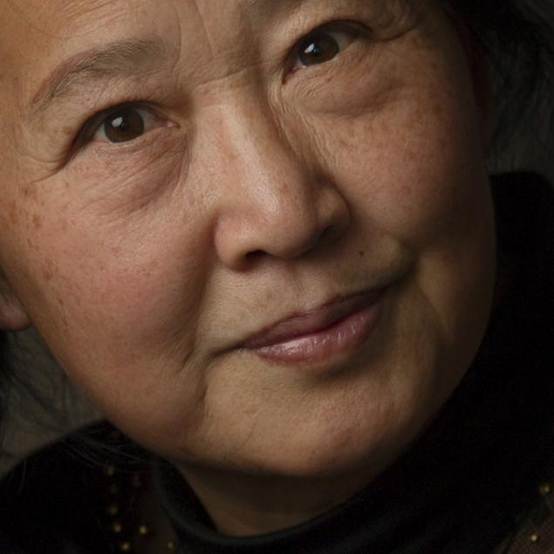
Fujifilm’s ultra-high megapixels deliver ultimate sharpness, paired with its renowned film simulation system (you can see a significant color difference between JPG and raw files, with powerful in-camera processing). Hasselblad’s rendering is incredibly realistic—looking at the photos, you feel as if you can touch the subjects, though the raw files seem less impressive. Restricted by the technology of its time, Leica has the lowest megapixels among the three, and its focusing system is not comparable in sensitivity. What’s more, the inability to adjust the focus point during shooting is a minor inconvenience, and the image sharpness is merely average. However, its rich, saturated colors exude a strong artistic, painterly quality.
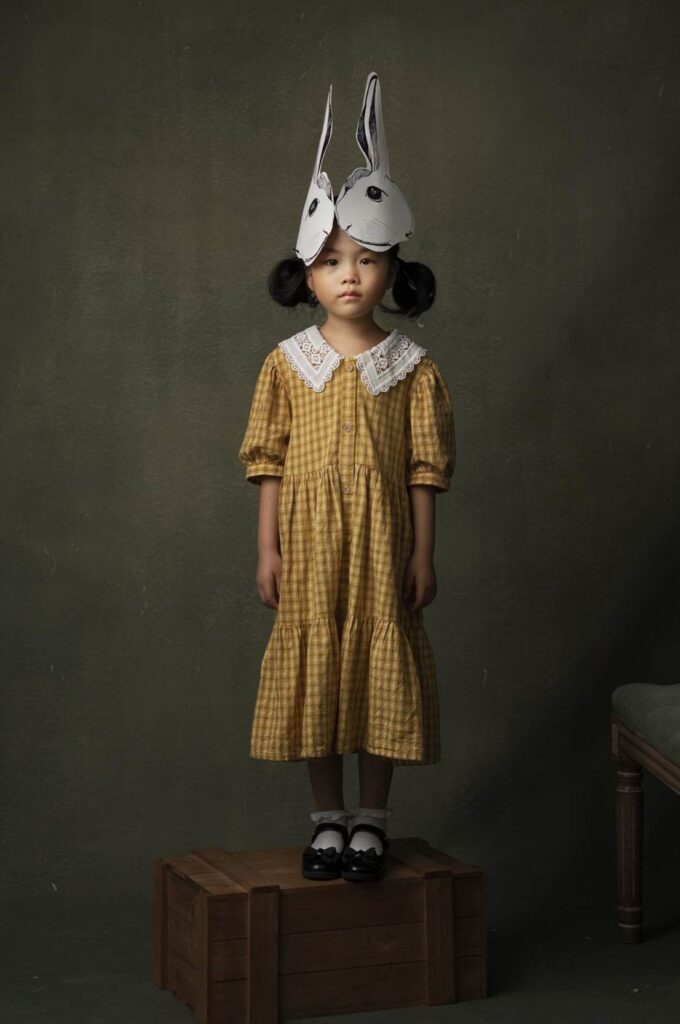
II. Different Interpretations of “Delicacy”
Medium format photography means ultimate delicate image quality.
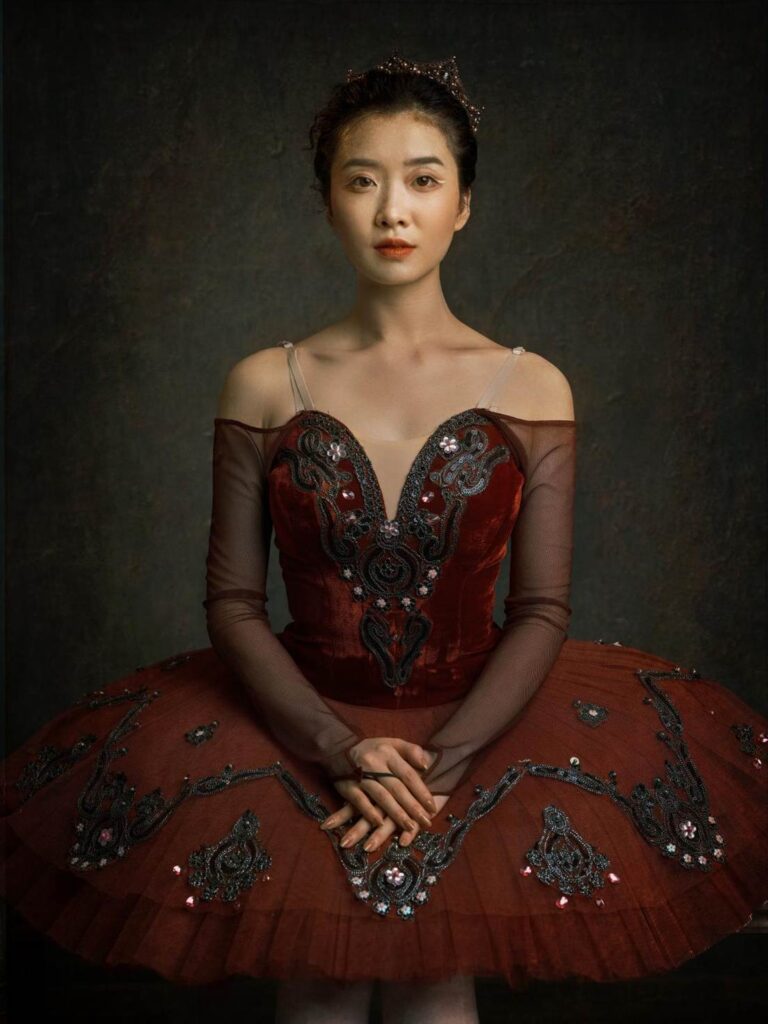
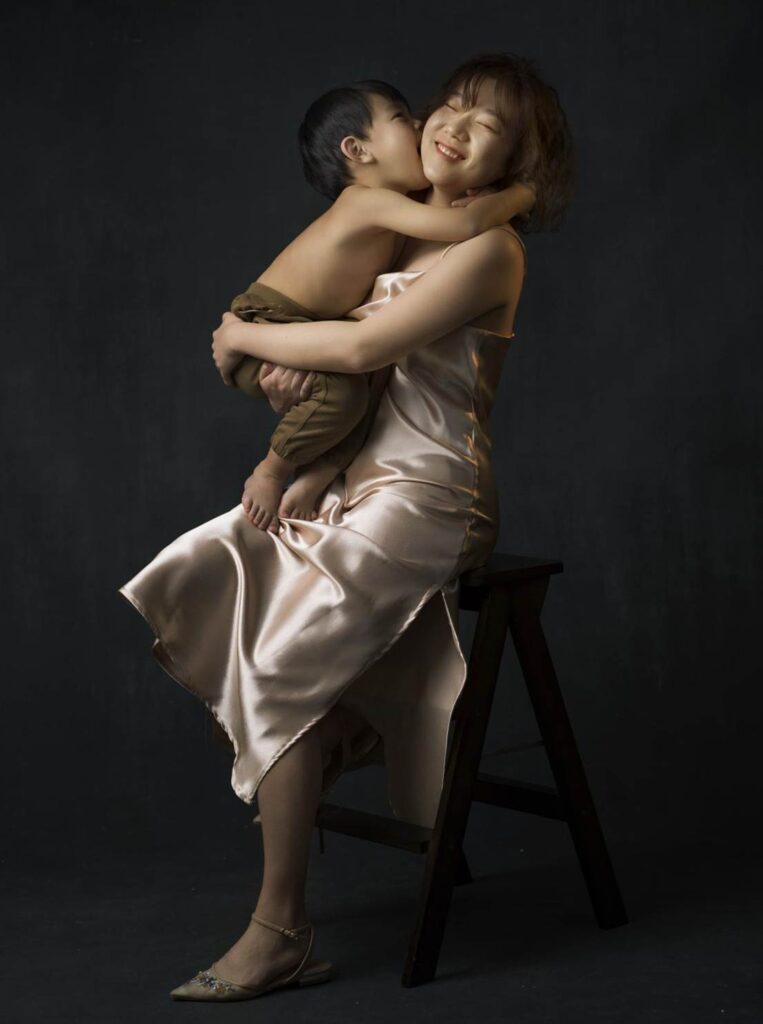

Their different expressions of ‘delicacy’:
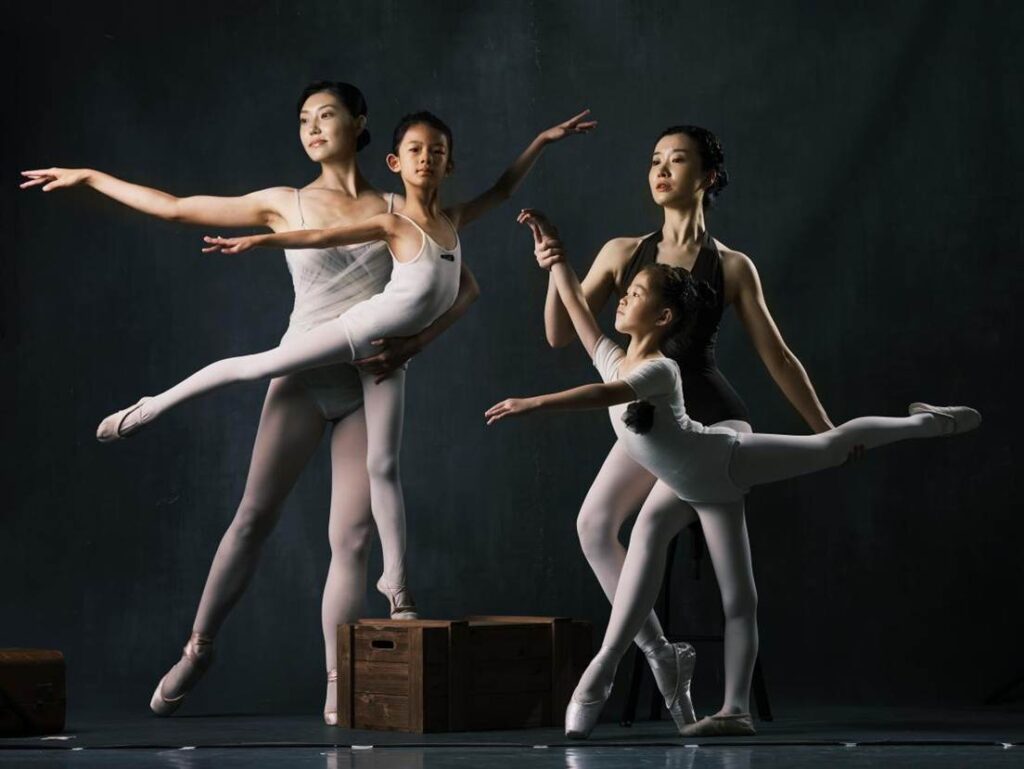
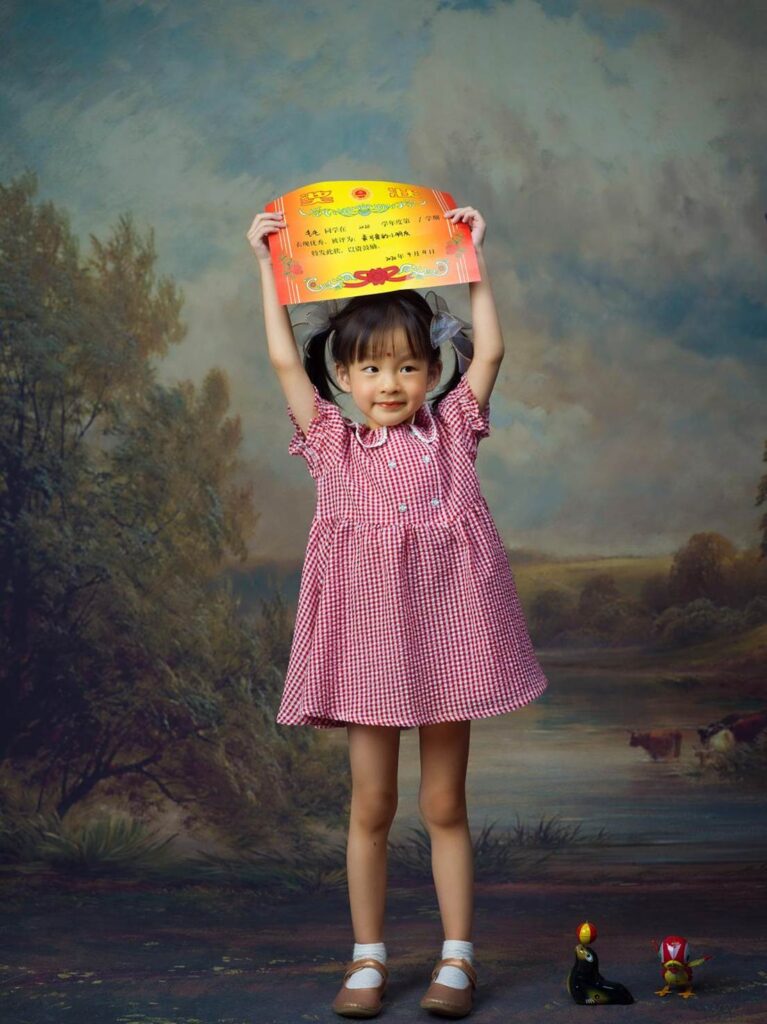
Fujifilm’s image quality is unquestionable—the detail presentation brought by high megapixels is astounding. Hasselblad’s delicacy is reflected in color gradation; rendering smooth color transitions with light and shadow changes for monochromatic subjects such as silk and human skin is extremely challenging, yet Hasselblad achieves this with soft, realistic, tactile results. Leica’s expression of delicacy lies in ‘light’—when a beam of light falls on three people’s faces, all the smoothness, wrinkles, contours, and shadows are revealed in perfect detail. It doesn’t feel like the harshness of artificial lighting, only softness and sincerity.
In fact, the most advanced and detail-reproducing ‘camera’ is our human eye. Even the most sophisticated camera is merely trying to approach the performance of the human eye—in this sense, cameras are a product of bionics. Now, take a look: which detail rendering is closest to what your eyes see? If you think about it the other way around, you may have a deeper feeling. Compare it with a camera that is farthest from the human eye—like the selfie mode in a beauty app? The difference between genuine quality and artificial effects is immediately apparent.

III. Performance in Constant Light and Natural Light
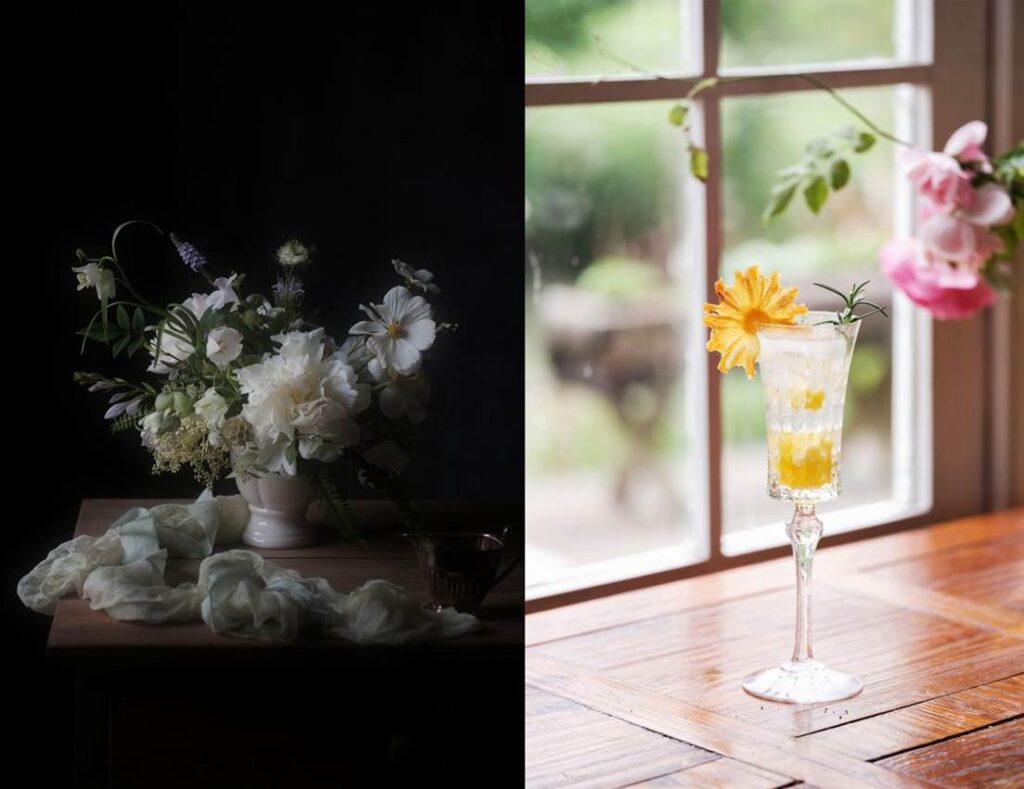
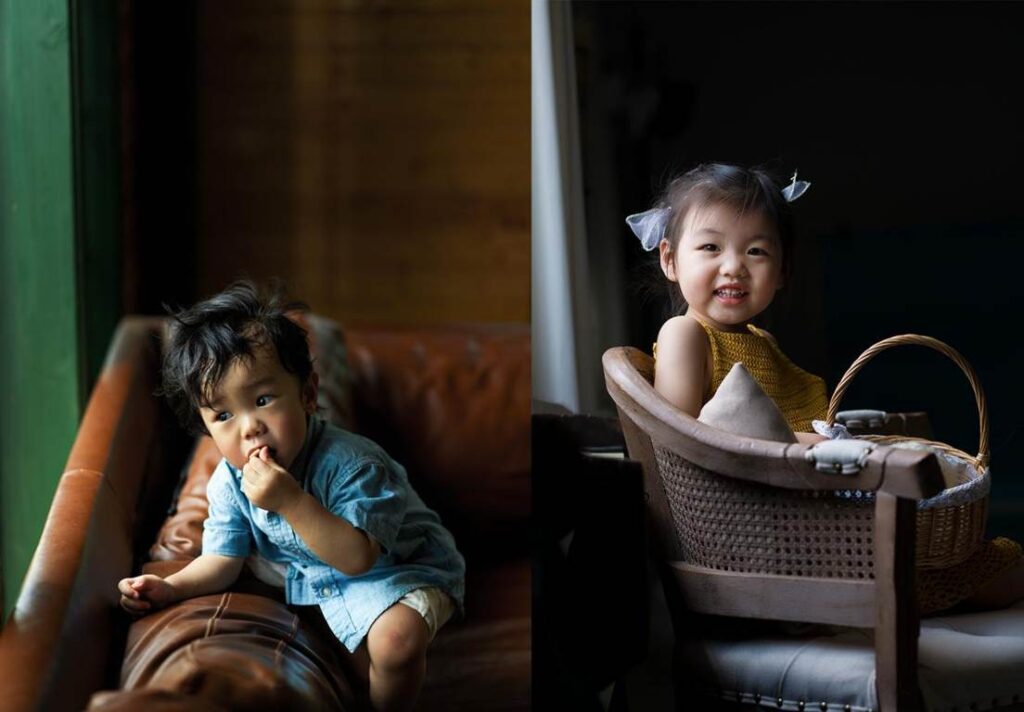
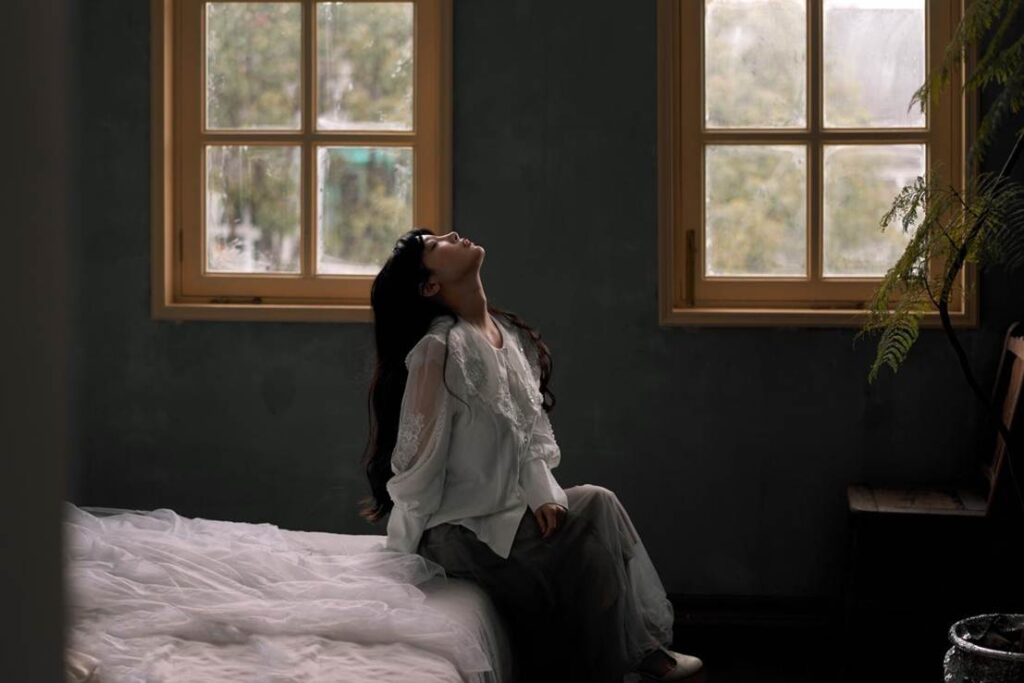
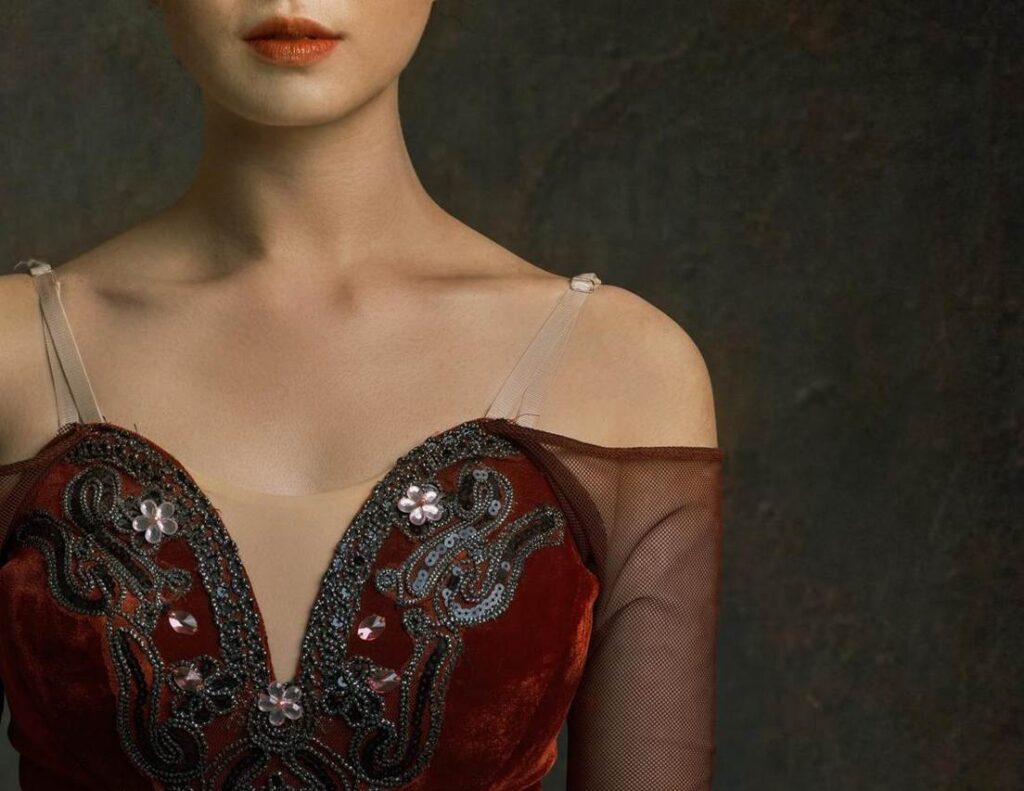
If studio lighting feels distant from your daily shooting, let’s take a look at their performance in constant light and natural light.
In this aspect, Fujifilm offers the best shooting comfort. As a new model, it features fast and accurate focusing—extremely useful for me, who often photographs children. Hasselblad’s autofocus system has improved significantly compared to its first generation, but it is still relatively slow overall, making it a bit strenuous to photograph children in low light. As for the Leica S2, its autofocus system is quite outdated compared to the other two (a 10-year gap). So I usually switch directly to manual focus mode. Having used the manual focus of the Leica M10 for a long time, I have developed the ability to focus quickly. However, friends unaccustomed to manual focus may find it frustrating.
In natural light, what we see is all about light. (Compared to full-frame cameras) Fujifilm reproduces light naturally, Hasselblad renders light with crystal clarity and sharpness, while Leica’s light rendering is natural and seamless—one clear, one soft; one emphasizes realistic reproduction, the other emphasizes atmospheric reproduction. It all comes down to personal preference.
IV. Final Thoughts
Some personal opinions:
Fujifilm is suitable as a high-end commercial workhorse—its fast performance, precision, high definition, continuous shooting, tethered shooting, video capabilities, and other functions are all well-balanced and powerful. The pricing, including the lens lineup, is also relatively reasonable (the newly released GFX100S is even priced below ¥40,000). The entire Fujifilm medium format family is an excellent choice for full-frame users looking to upgrade to a higher level and for professional work equipment.
Hasselblad is ideal for photography enthusiasts with sufficient budget who have high requirements for image quality and color reproduction and love post-processing. It is also particularly friendly for travel photography—its portability, elegant design, image quality, tethered shooting capability, and reliable performance in extreme environments make it an essential tool for landscape photography enthusiasts.
This Leica medium format model has been discontinued, and its second-generation product, the S3, is currently on the market with a body price of ¥150,000. Who is it suitable for? Those with a quite sufficient budget and a deep affection for the Leica brand. Leica’s images have a ‘human touch’, but this feeling is too subjective and abstract—it’s up to each individual to appreciate.
Alright, guess which camera captured each of the following three photos? Leave your answers in the comments, and I’ll give away Fujifilm, Hasselblad, and Leica… advertising brochures to the winners!
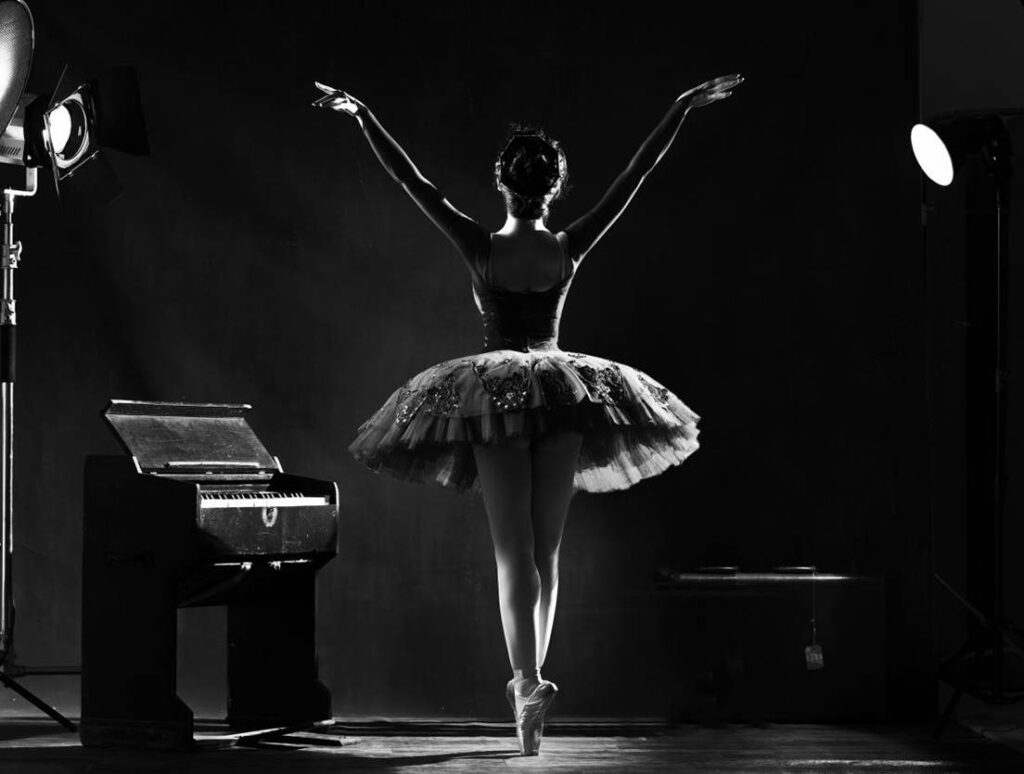
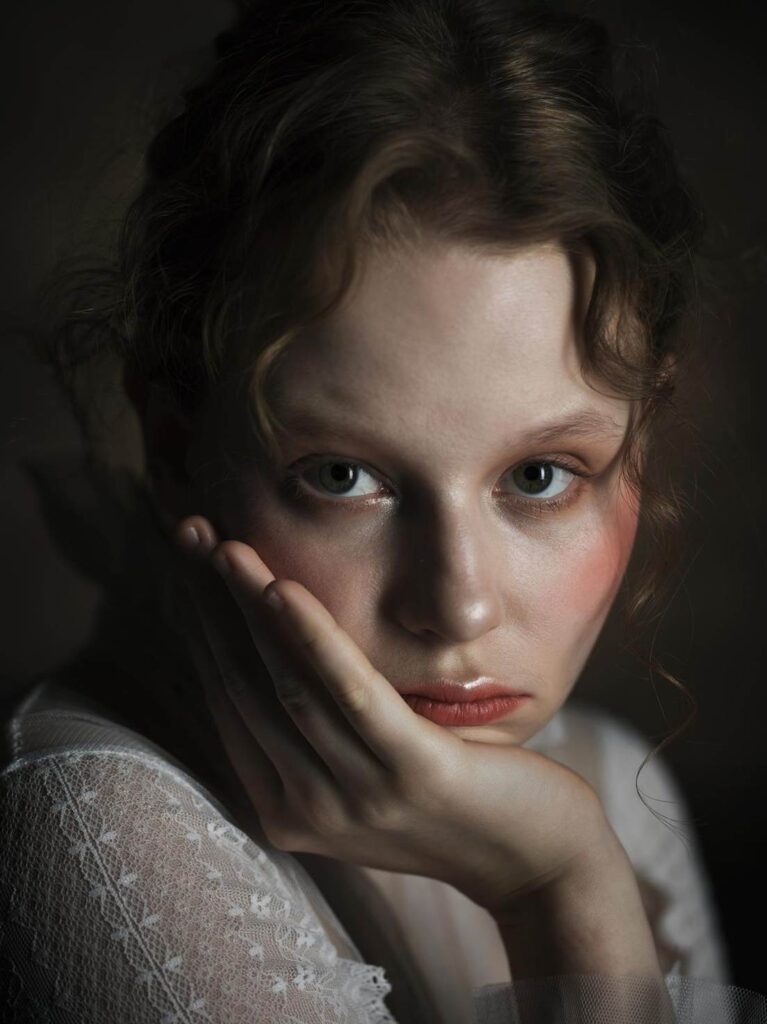
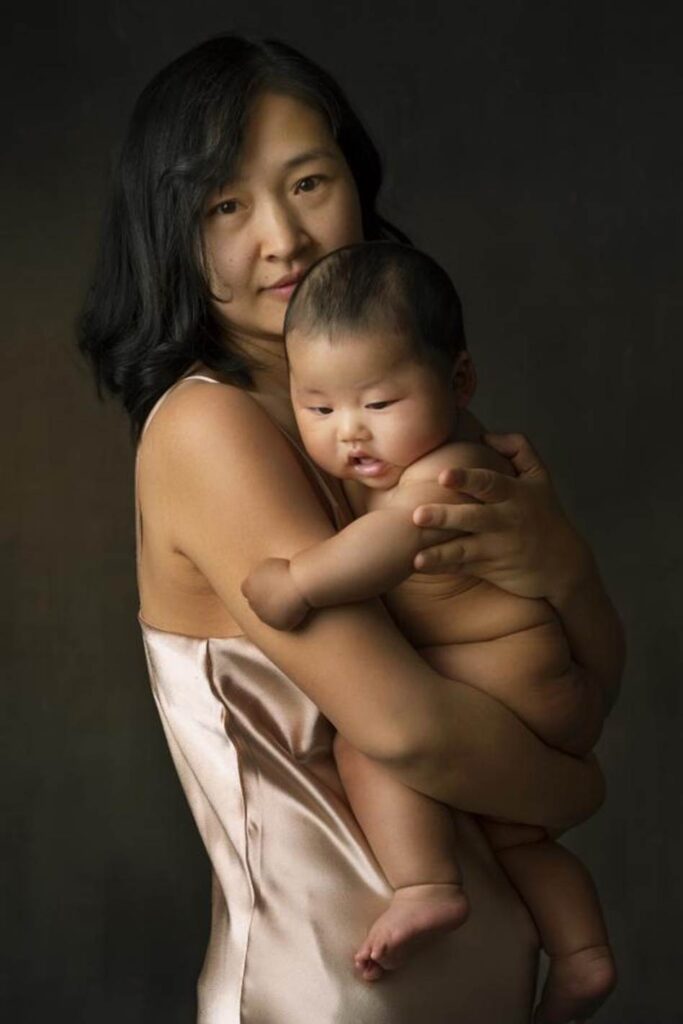
Wishing everyone a new year with the perfect equipment to capture your most brilliant moments.